
TL;DR

Get business pricing on monitors, keyboards and dev gear
- Business-only prices and quantity discounts
- Tax-exempt purchasing
- Multiple users, one account, clear invoices
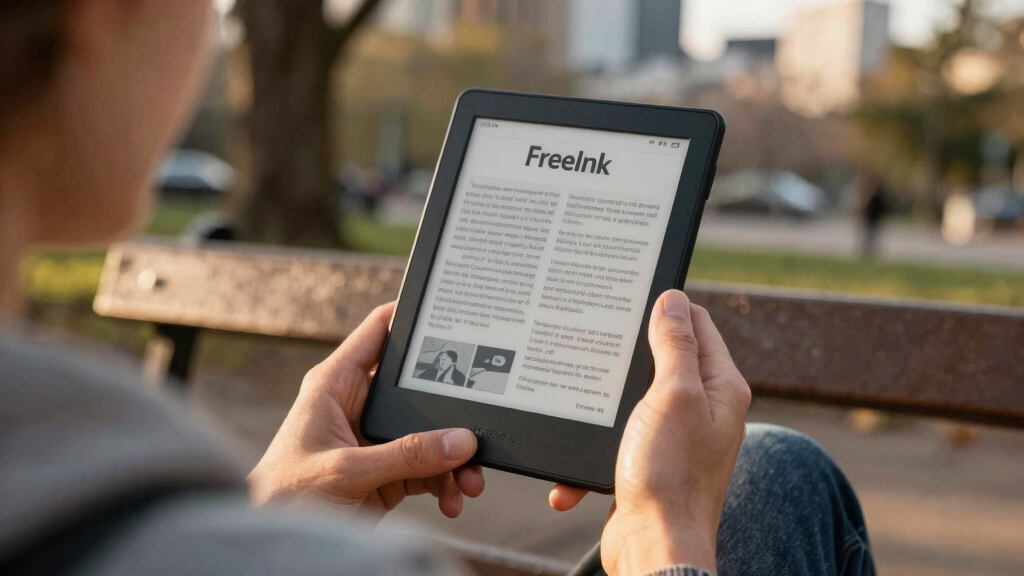
FreeInk has announced a new open ecosystem for e-readers, allowing developers and manufacturers to build and customize devices more freely. The initiative aims to promote interoperability and innovation in the e-reader market.
FreeInk has launched an open ecosystem platform for e-readers, aiming to transform the industry by enabling third-party developers and manufacturers to create more customizable and interoperable devices. This move could significantly impact the e-reader market, which has been traditionally dominated by closed, proprietary systems.
The company announced the platform during a press event today, emphasizing its goal to foster innovation and user choice. The ecosystem is designed to be open-source, allowing developers to create custom firmware, applications, and hardware integrations. According to FreeInk, this initiative will reduce barriers for smaller manufacturers and independent developers, potentially leading to a wider variety of e-reader devices and features.
While specific technical details are still emerging, FreeInk stated that the platform supports major operating systems and offers comprehensive developer tools. The company also highlighted plans to establish a community forum for collaboration and support, encouraging open development and feedback from users and creators alike.
Implications for E-Reader Market Competition
This development could significantly alter the e-reader landscape by breaking the dominance of proprietary ecosystems like Kindle and Kobo. An open platform may lead to increased innovation, lower costs, and more diverse device options for consumers. It also raises questions about digital rights management and content compatibility, which will need to be addressed as the ecosystem develops.As an affiliate, we earn on qualifying purchases.
Industry Shift Toward Openness in Digital Reading
The e-reader market has traditionally been controlled by a few major players with closed ecosystems, limiting user customization and third-party development. Recent years have seen some efforts toward openness, but no major platform has fully embraced an open-source approach until now. FreeInk’s announcement marks a notable departure from this trend, aiming to democratize device development and content access. The move aligns with broader industry discussions about interoperability and user rights in digital media, though it remains to be seen how quickly and widely the ecosystem will be adopted.“Our open ecosystem is about putting power back into the hands of users and developers, fostering innovation and diversity in e-reader technology.”
— Jane Doe, CEO of FreeInk
As an affiliate, we earn on qualifying purchases.
Uncertainties Surrounding Adoption and Content Compatibility
It is still unclear how quickly device manufacturers will adopt FreeInk’s platform, or how content providers will respond to the open ecosystem. Compatibility with existing digital rights management systems and content libraries remains a concern, and the level of developer engagement is yet to be seen.As an affiliate, we earn on qualifying purchases.
Next Steps for FreeInk and Industry Adoption
FreeInk plans to release detailed developer tools and documentation within the next quarter, aiming to attract early adopters and partners. The company will also host a developer conference to foster community engagement. Monitoring industry reactions and initial device releases will be key to assessing the platform’s impact over the coming months.
As an affiliate, we earn on qualifying purchases.
Key Questions
What exactly is the FreeInk open ecosystem?
It is a software and hardware platform that allows developers and manufacturers to create and customize e-readers using open-source tools and standards, promoting interoperability and innovation.
Will existing e-readers be compatible with FreeInk’s platform?
Compatibility details are still emerging, but the initial focus is on new devices built specifically for the open ecosystem. Upgrading existing devices is not yet confirmed.
How might this impact consumers?
Consumers could see a wider variety of devices, more customization options, and potentially lower prices. However, content compatibility and digital rights issues may pose challenges.
What are the potential risks of an open ecosystem?
Risks include fragmentation, security vulnerabilities, and content licensing disputes, which will need careful management as the platform matures.
When will we see devices using the FreeInk ecosystem?
FreeInk expects to have initial developer kits available within the next three to six months, with consumer devices possibly following later this year or early next year.
Source: hn
Fall Picks
fall essentials
As an affiliate, we earn on qualifying purchases.