Street art transforms urban spaces into vibrant places that reflect your community’s identity, struggles, and aspirations. It adds color and life to blank walls, often serving as a form of resistance and a celebration of local heritage. This art fosters social cohesion, empowers residents—especially youth—and creates a platform for marginalized voices. While it can attract investment, it also raises concerns about displacement. To understand how street art shapes your city’s future, explore the deeper impacts it has on communities.
Key Takeaways
- Street art transforms blank walls into vibrant cultural expressions, reflecting community identity and local stories.
- It celebrates cultural heritage and acts as resistance against displacement and gentrification pressures.
- Street art fosters social cohesion by empowering youth and providing platforms for marginalized voices.
- It influences urban development by attracting investment, which can lead to gentrification and potential displacement.
- Beyond aesthetics, street art encourages community participation, activism, and a sense of shared ownership of urban spaces.

Street art has become a powerful force shaping urban communities, transforming blank walls into vibrant expressions of identity and culture. When you walk through a city’s neighborhoods, you can’t help but notice how murals, graffiti, and murals reflect local stories, struggles, and aspirations. This art form breathes life into concrete jungles, turning sterile walls into canvases that speak directly to residents and visitors alike. But alongside its visual impact, street art also sparks important conversations about gentrification concerns and youth engagement. As neighborhoods become more attractive to outsiders, long-time residents often worry about losing their cultural roots. Street art, within this framework, can serve as both a celebration of local identity and a subtle resistance to displacement. For many communities, murals aren’t just about aesthetics—they’re a way to claim space, preserve stories, and assert a sense of ownership amid rapid change. You might see murals depicting historic figures or symbols of community resilience, reminding everyone of their shared heritage. However, this visibility can also attract new investments that drive up property prices, leading to gentrification concerns. When wealthier newcomers move in, affordable housing can dwindle, and the original residents may feel pushed out. This tension puts street art at the center of a complex dynamic—serving as a voice for the community while also highlighting the risks of unchecked development.
Furthermore, research shows that cultural expression through street art can significantly influence community well-being and social cohesion. At the same time, street art plays a vital role in youth engagement. It offers young people a creative outlet, empowering them to express their hopes, frustrations, and dreams in a public space. When you see a mural painted by local youth, you’re witnessing their attempt to contribute meaningfully to their environment. Many cities have programs that involve young artists in creating murals, fostering skills, community pride, and a sense of belonging. These initiatives help youth channel their energy positively, steering them away from destructive behaviors and toward constructive participation. Street art becomes a form of activism and dialogue, giving voice to those who might otherwise feel unheard. It also provides a platform for marginalized groups, allowing their stories to be seen and understood. As a result, communities that embrace youth-led street art often experience a boost in social cohesion and confidence. Overall, street art’s impact on urban communities is multifaceted. It’s not just about beautification; it’s about identity, resistance, and participation. When you look at a mural, you’re seeing more than paint—you’re witnessing a community’s effort to shape its future while honoring its past. In this way, street art continues to influence the social fabric of cities, making them more vibrant, inclusive, and resilient.

Soucolor Art Supplies,192 Pack Deluxe Art Set Drawing Painting Supplies Kit
- Complete 192-Piece Art Set: Includes crayons, pencils, paints, brushes, and more
- Premium Acrylic Paints & Canvas: 24 vibrant acrylic paints and 3 canvas boards
- Professional Drawing & Sketch Pads: Includes textured linen, watercolor, and sketch pads
As an affiliate, we earn on qualifying purchases.
As an affiliate, we earn on qualifying purchases.
Frequently Asked Questions
How Does Street Art Influence Local Real Estate Prices?
You might notice that street art can boost local real estate prices by increasing neighborhood desirability. It often attracts new residents and visitors, making the area more vibrant. However, this can also lead to gentrification effects, pushing out long-term residents. So, while street art can improve property values, it’s essential to take into account its broader impact on community dynamics and affordability.
What Safety Concerns Are Associated With Street Art Installations?
Think of street art as a double-edged sword—you might find beauty, but it also brings safety concerns. You should watch out for graffiti vandalism and property damage, which can make areas feel unsafe. Unauthorized installations may lead to accidents or injuries if structures aren’t secure. Always guarantee that street art is legally sanctioned; otherwise, it risks becoming a hazard that undermines community safety and trust.
How Do City Officials Regulate or Support Street Art?
City officials regulate and support street art through public space policies and graffiti ordinances. They may designate certain areas for murals and street art, encouraging artists to express themselves legally. Local governments often issue permits, ensuring artworks are safe and appropriate. By implementing these policies, officials foster a vibrant arts scene while maintaining community standards, balancing creative freedom with safety and neighborhood aesthetics.
Can Street Art Negatively Impact Community Cohesion?
You might find it ironic that street art, often celebrated for its vibrancy, can also cause community division. While some see it as creative expression, others view it as vandalism, fueling vandalism concerns. This tension can divide residents, impacting community cohesion negatively. Street art’s presence might spark disagreements, making neighbors feel alienated rather than united, especially when the line between art and vandalism blurs.
What Funding Sources Sustain Street Art Projects in Urban Areas?
You can find funding for street art projects through graffiti sponsorships and public art grants. Graffiti sponsorships often come from local businesses or organizations that want to support community expression, while public art grants are available from city governments, arts councils, or cultural foundations. These sources help sustain artists’ work, foster community engagement, and guarantee long-term support for vibrant urban murals and street art initiatives.
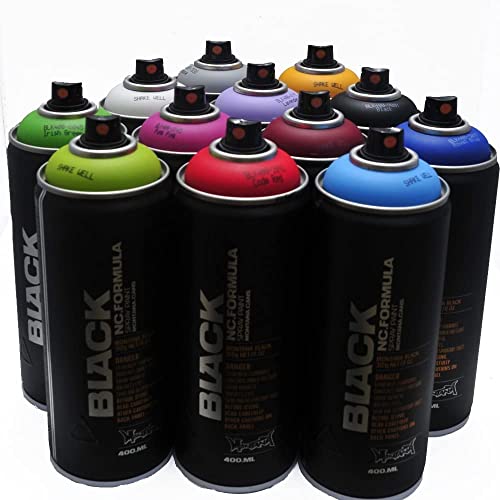
Montana Black 400ml Popular Colors Set of 12 Graffiti Street Art Mural Spray Paint
- Includes 12 spray paint cans: 12 Montana Black 400ml cans
- Popular colors selection: Most popular Montana colors
- High pressure spray: Designed for graffiti and murals
As an affiliate, we earn on qualifying purchases.
As an affiliate, we earn on qualifying purchases.
Conclusion
As you walk through city streets painted with vibrant murals, you realize street art is more than just color on walls—it’s the heartbeat of the community. It breathes life into dull corners, sparks conversations, and paints hope where silence once reigned. Like a rallying cry on a blank canvas, street art transforms urban spaces into open books, inviting you to read stories of resilience, unity, and creativity etched into every stroke.

40 Pcs Acrylic Paint Set – 24 Colors (2oz/60ml) with 12 Brushes, 2 Knives & Palette – Rich Pigments for Adult, Artists & Beginners – Painting on Halloween Pumpkin Canvas Ceramic Rock Wood
- Complete 40-Piece Art Set: Includes paints, brushes, knives, sponge, and palette
- Vibrant 24 Colors: Rich pigments in 2oz bottles for vivid artwork
- Safe & Non-Toxic: Conforms to ASTM D-4236 and EN71-3 standards
As an affiliate, we earn on qualifying purchases.
As an affiliate, we earn on qualifying purchases.
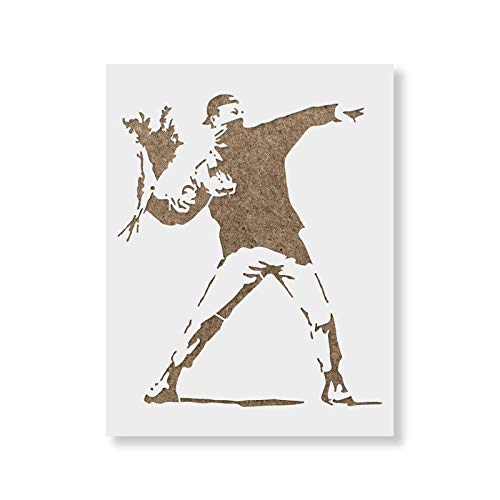
Rage Flower Thrower Banksy – Urban Art, Banksy Stencil, Flower Thrower
- Stencil Sheet Size: Overall dimensions of stencil sheet
- Art Transformation: Convert surfaces into art with stencil
- Reusable Material: Laser-cut from durable 12 mil mylar
As an affiliate, we earn on qualifying purchases.
As an affiliate, we earn on qualifying purchases.