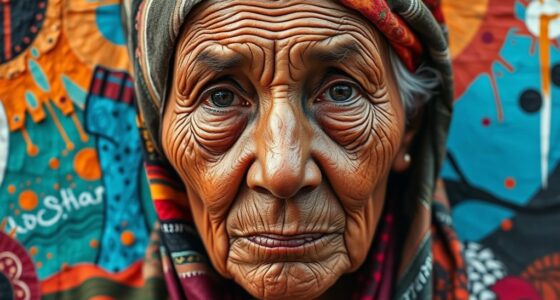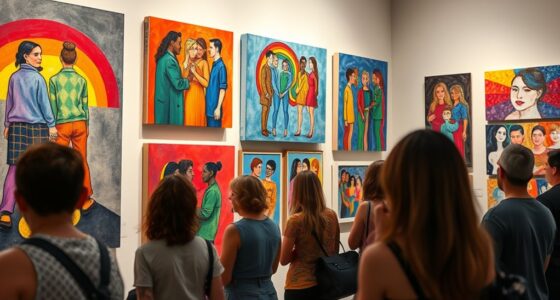
Art and creativity play a powerful role in breaking mental health stigmas by offering non-judgmental ways to express emotions, reduce stress, and build self-confidence. Engaging in artistic activities can foster healing, resilience, and community support across diverse populations. As awareness grows and innovative tools emerge, art continues to transform mental health care into a more inclusive and effective space. Keep exploring how creativity is shaping the future of mental wellness and breaking barriers along the way.
Key Takeaways
- Art therapy fosters emotional expression and understanding, reducing stigma around mental health issues through creative engagement.
- Community-based art projects promote awareness, empathy, and acceptance, challenging societal stereotypes about mental health.
- Incorporating culturally sensitive art programs helps normalize mental health conversations and destigmatize seeking help.
- Visual arts and public art initiatives increase visibility and understanding of mental health struggles, fostering societal acceptance.
- Creative activities empower individuals to share their stories, break taboos, and foster hope and resilience in mental health journeys.
The Growing Acceptance of Art Therapy in Healthcare Settings

Have you noticed how art therapy is increasingly finding its place in healthcare settings? It’s gaining recognition as a valuable tool for improving mental health. The global market is projected to grow from USD 2.5 billion in 2023 to USD 5.8 billion by 2032, driven by rising awareness of mental health issues and therapy’s proven effectiveness. Art therapy is now common in hospitals, elder care, and veterans programs, helping patients cope with trauma, anxiety, and depression. Its versatility, through modalities like drawing, painting, and sculpture, makes it adaptable for diverse needs. This integration benefits both patients and healthcare staff, reducing psychological distress. The market expansion reflects increasing global adoption of visual arts therapy driven by rising awareness and mental health issues. Despite challenges like limited insurance coverage and a shortage of licensed therapists, ongoing research and increased acceptance continue to expand art therapy’s role in mainstream healthcare. Additionally, innovations in AI-assisted therapy are beginning to support therapists in delivering more personalized care, further enhancing its effectiveness.
How Creative Arts Reduce Anxiety and Stress
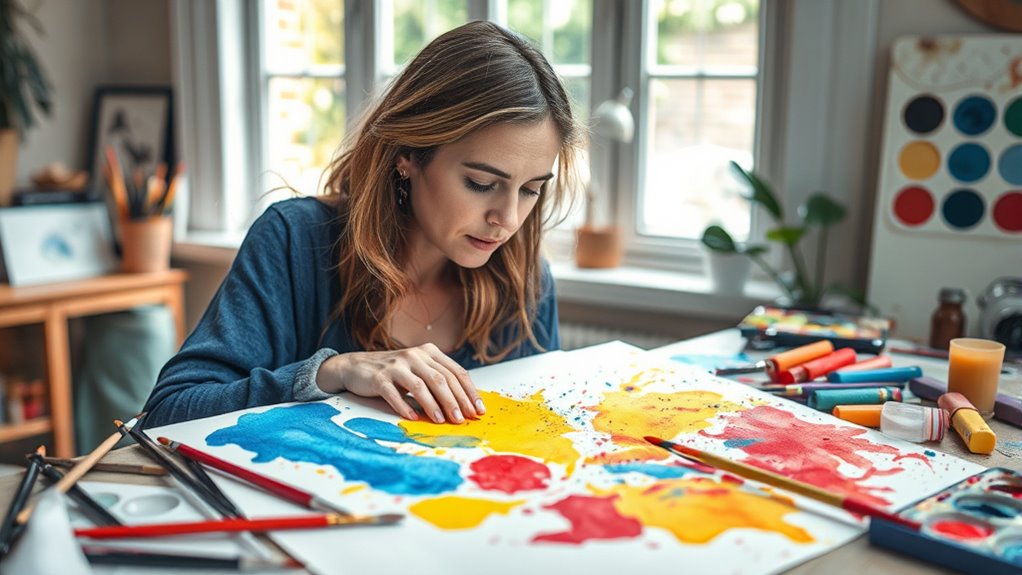
Creative arts have proven to be powerful tools for managing stress and reducing anxiety by engaging individuals in meaningful artistic activities. Participating in art therapies, like painting, dance, storytelling, or puppetry, helps you express emotions non-verbally, easing anxiety. The creative process stimulates personal insight and strengthens coping skills, boosting your resilience to stress. Engaging in activities like mandala coloring, clay work, or drawing can lower heart rate and cortisol levels, promoting relaxation. Art-making also enhances concentration and mindfulness, helping you stay present and reduce rumination. Visual journaling allows you to transform stressors into positive emotions, improving emotional regulation. Research shows that regular involvement in creative arts can lead to sustained improvements in mental health and well-being. Incorporating art therapy techniques into your routine can further amplify these benefits. Whether in person or digitally, creative arts provide accessible, effective strategies for calming your mind and managing anxiety naturally.
Building Self-Esteem and Personal Growth Through Art
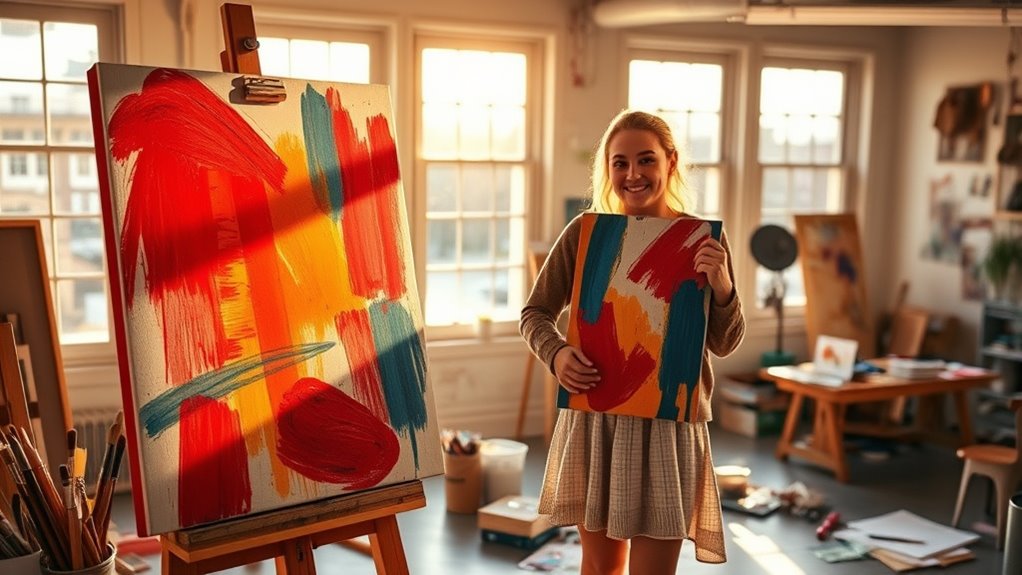
Engaging in art not only helps manage stress and anxiety but also plays a significant role in building self-esteem and fostering personal growth. When you create, you often see a boost in confidence—studies show 79% of participants feel more positive about themselves after art therapy. Just 45 minutes of making art can improve your self-efficacy, with many experiencing a stronger sense of competence. Art provides a supportive, non-judgmental space where your innate confidence can flourish. It reinforces feelings of self-worth and helps you develop a positive self-concept. Through emotional expression and enhanced communication skills, art encourages self-awareness and personal development. Incorporating crochet styles for locs into your creative routine can offer additional avenues for self-expression and relaxation. Short-term art interventions can produce meaningful improvements, making art a powerful tool for nurturing growth and self-esteem. Overall psychological health improvement can further enhance your sense of well-being and motivation for continued creative engagement. Additionally, engaging in creative activities inspired by dog breeds and their unique traits can deepen your connection to animals and foster a sense of purpose. Moreover, understanding the emotional benefits of vibrational energy associated with creative expression can amplify your personal growth journey. Exploring different art therapy techniques can also unlock new insights and emotional healing. Incorporating mindfulness techniques into your art practice can further elevate the emotional and psychological benefits, promoting a deeper sense of inner peace.
Art as a Tool for Healing Trauma and Fostering Resilience
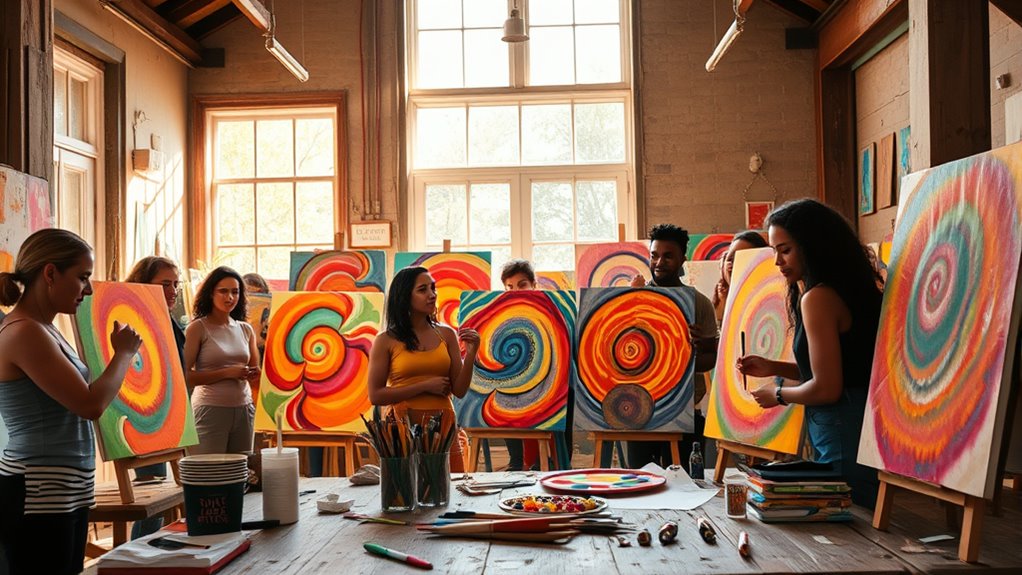
Art serves as a powerful tool for healing trauma and building resilience by providing a non-verbal means to process difficult emotions. Through Trauma-Focused Art Therapy (TFAT), you can explore your feelings visually, which often helps bypass emotional barriers that words can’t reach. Studies show that 68% of trauma survivors experience symptom reduction, with veterans seeing even higher improvements. Creating art enables you to express complex emotions safely, fostering emotional resilience and promoting post-traumatic growth. It also helps reduce anxiety, with up to 71% of patients reporting calmer, more regulated emotions. In specialized programs, 89% of participants either fully recover or improve markedly. Engaging in creative expression allows for exfoliation benefits, which can support clearer emotional processing. Additionally, incorporating aesthetic elements like wall organization systems can create a calming environment conducive to healing. Adopting a mindful approach to decluttering can further enhance your space, making it more conducive to recovery and emotional well-being. Exploring the cultural heritage involved in creative practices can deepen your connection to your identity and strengthen your resilience. By engaging in creative expression, you actively participate in your healing process, transforming trauma into a pathway toward strength and recovery.
Enhancing Cognitive Function and Community Well-Being With Creative Expression

Harnessing the power of creative expression can considerably boost cognitive function and strengthen community well-being. Engaging in creative activities stimulates neural connections, enhancing brain plasticity and improving memory, attention, and executive functions. Regular participation helps delay cognitive decline and promotes mental agility, benefiting both clinical and general populations. When you participate in shared creative activities, you not only strengthen social bonds but also foster a sense of belonging and collective identity. Creative projects in communities can reduce social isolation, promote inclusion, and encourage empathy, which is essential for mental health. Incorporating community engagement into creative initiatives can further amplify these positive effects. For children, art boosts cognitive growth, critical thinking, and emotional development, laying a foundation for lifelong mental resilience. Additionally, incorporating creative practices into daily routines can further enhance neuroplasticity and emotional well-being. Engaging in communal artistic endeavors can also lead to increased social cohesion, which is vital for overall mental health. Moreover, participating in creative activities linked to cultural traditions can deepen individuals’ sense of identity and belonging, further supporting mental resilience. Incorporating lifestyle factors, such as regular physical activity and stress management, can synergistically improve the mental health benefits of creative engagement. Overall, creativity energizes individuals and communities, supporting neurocognitive health and social cohesion.
Overcoming Cultural Barriers and Stigmas With Art-Based Interventions
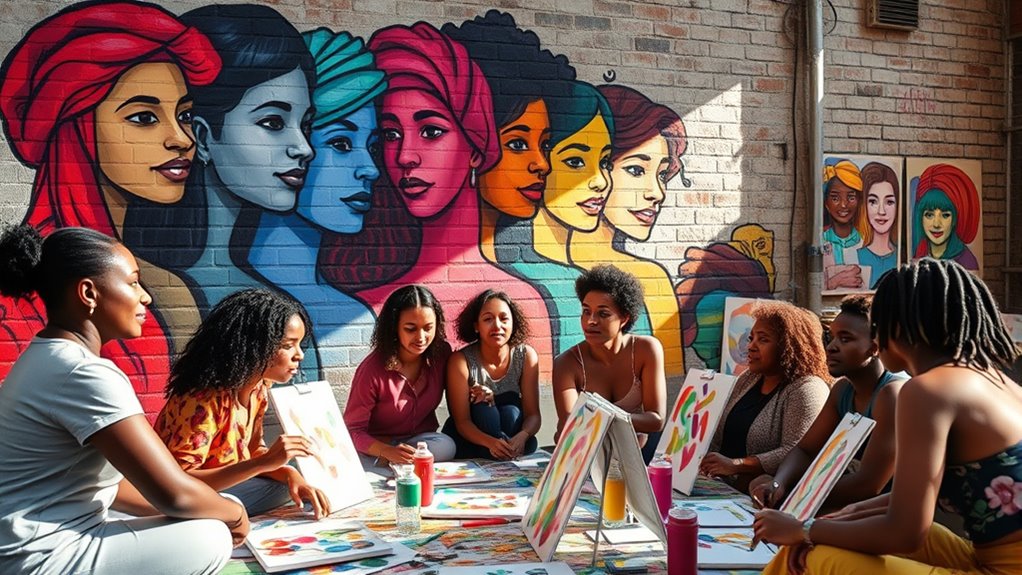
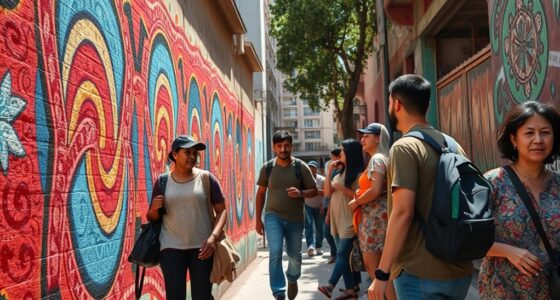
Cultural barriers and stigmas surrounding mental health can be significant obstacles to seeking help, but art-based interventions offer a powerful way to overcome them. By customizing projects to include local resources and practices, these interventions resonate more deeply within diverse communities. Expressive arts therapies provide culturally appropriate alternatives to traditional mental health models, especially where such models are viewed with skepticism. Community participation in arts projects fosters social cohesion and helps reduce stigma through shared creative experiences. Public art installations and performances evoke emotional connections, increasing awareness and empathy. Initiatives like murals and festivals build community trust and make mental health conversations more relatable. Overall, arts-based approaches create culturally sensitive spaces that challenge stigma and promote acceptance.
The Impact of Art Therapy on Diverse Populations
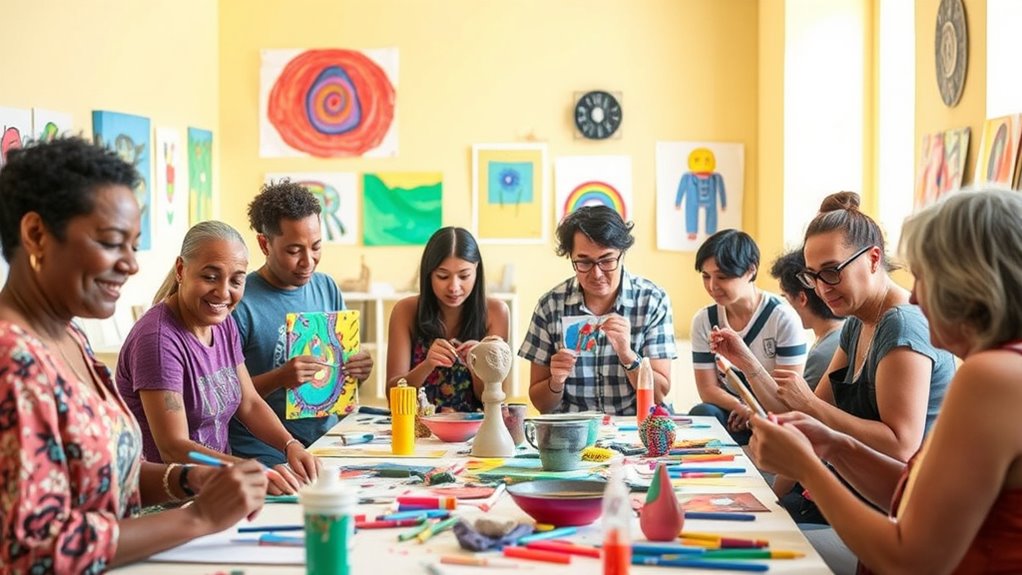
Community-based art initiatives have shown how creative expression can break down barriers for diverse populations, making mental health support more accessible and effective. If you’re part of migrant or refugee communities, art therapy can substantially reduce traumatic stress and anxiety. You might find your well-being improved, with increased hope and life satisfaction. For children and adolescents, art-based activities can enhance social skills and emotional regulation. Since language barriers may hinder verbal therapy, art provides a non-verbal, culturally adaptable way to process displacement and trauma. Racial minorities often underuse traditional mental health services due to cultural biases, but art therapy offers a less intimidating, more inclusive alternative. When tailored to your cultural background, it fosters trust, reduces dropout rates, and supports mental health while promoting social connection. Additionally, understanding your Net+ Certification Benefits can empower you to access resources and support that enhance your overall well-being and resilience through professional development opportunities. Incorporating art therapy techniques into community programs can further expand access and effectiveness for these populations, especially considering the importance of mental health support access and reducing stigma. Exploring diverse therapeutic methods such as art therapy can also help address cultural sensitivities and improve engagement.
Moving Forward: The Future of Art in Mental Health Care
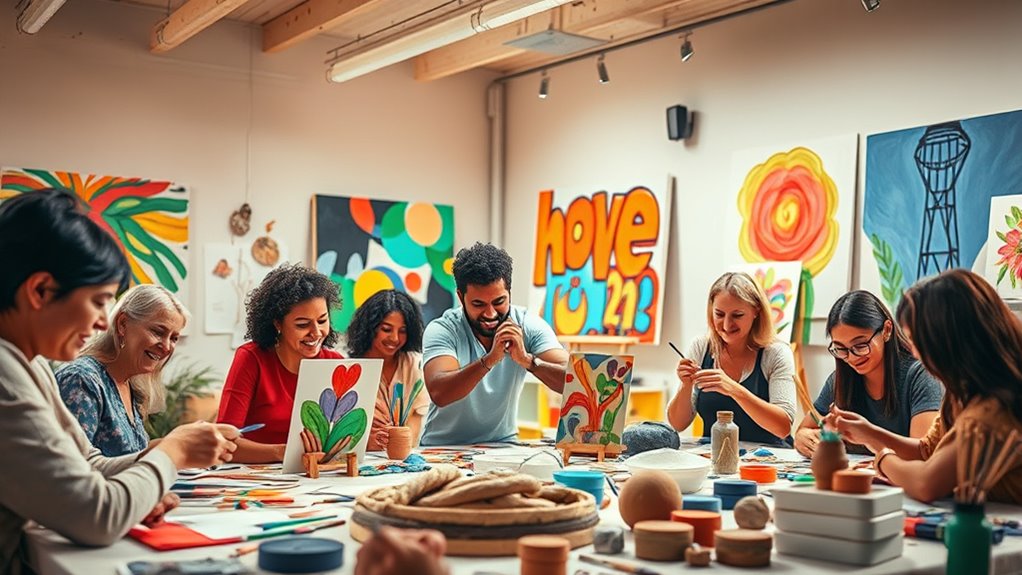
The future of art in mental health care looks promising, driven by expanding markets, technological innovations, and increasing societal acceptance. The visual arts therapy market is expected to grow from USD 1.83 billion in 2025 to USD 4.87 billion by 2032, with a 15% CAGR, reflecting rising demand globally. As awareness of mental health issues increases, more demographics—from children to seniors—are embracing art therapy, supported by broader insurance coverage and integration into healthcare systems. Advances like digital platforms, virtual reality, and AI are making therapy more accessible and personalized, especially in underserved areas. Societal shifts toward valuing creativity and destigmatizing mental illness will continue to foster innovation, presenting new opportunities for art to play a essential role in mental health treatment’s future. Additionally, the increasing recognition of art as a therapeutic tool emphasizes its importance in holistic mental health care. Moreover, ongoing research continues to demonstrate the positive impact of creative expression on mental well-being, further solidifying its place in future therapeutic strategies.
Frequently Asked Questions
How Can I Find a Certified Art Therapist Near Me?
You’re wondering how to find a certified art therapist nearby. Start by using the American Art Therapy Association’s locator to search in your area. Check credentials like ATR or ATR-BC through the ATCB’s database. You can also explore platforms like Mental Health Match or Psychology Today. Contact local hospitals, clinics, or community programs for recommendations. Confirm the therapist is credentialed and experienced to get the best support for your needs.
Is Art Therapy Effective for Children and Adolescents?
You might be surprised to learn that art therapy considerably reduces PTSD symptoms in children and adolescents. It’s effective because it helps them express emotions non-verbally, improving emotional regulation and behavior. You’ll notice improvements like reduced anxiety and better classroom engagement. Combining art therapy with other treatments boosts results, making it a promising option for supporting young people’s mental health and fostering their emotional growth.
What Artistic Skills Are Needed to Benefit From Art Therapy?
You don’t need prior artistic skills to benefit from art therapy. What’s important is your willingness to express yourself and engage with creative activities. You should be open-minded, comfortable exploring different mediums like drawing, painting, or collage. Focus on the process rather than the outcome, and let your emotions guide your creations. This openness helps you access insights, manage stress, and foster personal growth through the therapeutic journey.
How Does Art Therapy Compare to Traditional Talk Therapy?
You might wonder how art therapy compares to traditional talk therapy. While talk therapy focuses on verbal expression and structured techniques, art therapy emphasizes creating art to explore emotions non-verbally. Art therapy is especially helpful if you struggle with words or want a more sensory, holistic approach. Both can work together for a thorough experience, depending on your preferences and needs, making therapy more accessible and tailored to you.
Can I Participate in Art Therapy Without Any Artistic Experience?
You might think art requires skill, but in art therapy, that’s not the case. Artistic experience isn’t necessary—you focus on self-expression, not creating perfect artwork. Your therapist guides you in choosing materials suited to your comfort, emphasizing process over product. So, whether you’re a seasoned artist or a beginner, you can participate fully, exploring emotions and gaining insights through creative activities tailored to your needs.
Conclusion
As you explore the vibrant world of art and mental health, remember that creativity is a powerful bridge over the chasms of stigma and misunderstanding. Like a healing balm, art soothes, unites, and transforms, revealing the resilience within us all. Embrace the brush, the pen, or the clay — because through your artistic journey, you’re not just creating; you’re rewriting your story, painting a brighter future where healing and self-discovery flourish.