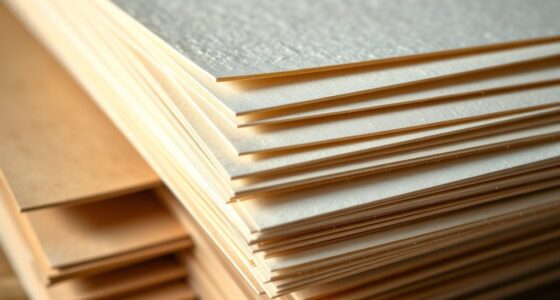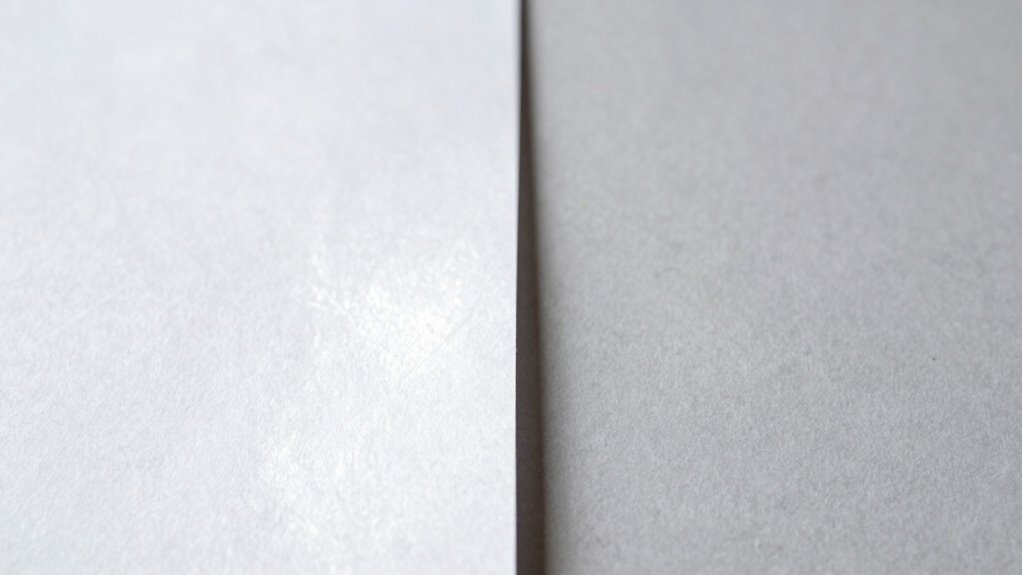

Paper brightness tricks your eye by enhancing contrast, making colors appear more vivid and sharp. Bright paper reflects more light, giving the impression of crisper images and clearer text, while duller paper makes details seem muted. This visual effect influences how you perceive the quality of a print. Understanding these subtle tricks helps you evaluate prints more accurately, and if you keep exploring, you’ll discover even more ways brightness affects your perception.

Get business pricing on monitors, keyboards and dev gear
- Business-only prices and quantity discounts
- Tax-exempt purchasing
- Multiple users, one account, clear invoices
Key Takeaways
- Higher brightness enhances color vibrancy, making images and text appear sharper and more vivid to the eye.
- Bright paper reflects more light, increasing contrast and improving perceived clarity of printed details.
- Increased brightness minimizes ink spread and bleeding, resulting in crisper, more defined lines.
- Brightness levels influence how the eye perceives depth and contrast between colors and background.
- Optically brightened paper tricks the eye into seeing more vivid, impactful prints with enhanced visual appeal.

When evaluating print quality, understanding paper brightness is vital because it directly impacts how vibrant and clear your images and text appear. Brightness determines how much light the paper reflects, which influences how sharp and lively your prints seem. If the paper is too dull, even high-quality ink can look muted, reducing the overall impact of your work. Conversely, very bright paper enhances the visual appeal, making colors pop and details stand out. Your eyes are naturally drawn to areas with high contrast, so brighter paper amplifies the difference between light and dark elements, sharpening the perceived clarity of your print. Additionally, the reflective qualities of bright paper can influence perceived print sharpness, making images appear more detailed and crisp to the viewer. Ink absorption plays an important role here. When the paper’s brightness is high, it tends to absorb ink less aggressively, resulting in crisper lines and more vivid colors. If the paper is dull or low-brightness, ink may spread or bleed more, dulling the contrast and blurring fine details. This reduced ink absorption can make images look muddy or washed out, especially when printing photographs or detailed graphics. Bright paper’s reflective qualities ensure that ink stays crisp and concentrated, allowing your images to retain their intended vibrancy. Furthermore, paper brightness can influence overall print longevity, as brighter papers often contain optical brightening agents that can degrade over time, affecting the appearance of your prints. A proper understanding of brightness levels can help you select the ideal paper for different printing needs. Color contrast is also heavily influenced by paper brightness. Bright paper enhances the difference between the ink colors and the background, making text easier to read and images more striking. When you print on duller paper, the contrast diminishes, and colors tend to blend into the background, making details less distinguishable. This is particularly noticeable with lighter shades or pastel tones, which require a reflective surface to stand out effectively. By choosing paper with an appropriate brightness level, you guarantee that the contrast remains sharp, giving your print a professional, polished look. It’s important to regard the purpose of your print when evaluating brightness. For high-impact visuals or professional documents, higher brightness levels are usually preferable because they maximize eye appeal and clarity. However, for certain art projects or archival materials, a slightly lower brightness might be more suitable to prevent glare and maintain a softer, more natural appearance. Ultimately, understanding how paper brightness tricks the eye helps you make informed decisions, guaranteeing your prints achieve the desired visual effect with optimal ink absorption and color contrast.
As an affiliate, we earn on qualifying purchases.
Frequently Asked Questions
How Does Paper Brightness Affect Readability in Different Lighting Conditions?
You’ll notice that higher paper brightness improves readability in various lighting conditions by enhancing contrast and reducing glare. Bright paper reflects more light, which helps you see ink clearly, especially in bright settings. Surface gloss influences this effect, as glossy papers reflect more light, making the text pop, but can cause glare. Ink absorption also plays a role; well-absorbing paper prevents smudging and maintains sharpness, ensuring comfortable reading regardless of lighting.
Can High Brightness Paper Lead to Eye Strain Over Time?
Like a vintage film projector, high brightness paper can create an optical illusion that strains your eyes over time. You might think it’s easier to read, but it actually overloads your visual perception, leading to discomfort and fatigue. Continuous exposure to such brightness can cause eye strain, especially in low-light conditions. Be mindful of your environment and switch to matte or less bright paper to protect your eyes during long reading sessions.
What Are the Environmental Impacts of Manufacturing Brighter Paper?
The environmental impact of manufacturing brighter paper is significant, as it often involves increased use of bleaching agents and energy, leading to higher pollution levels. You can promote sustainability practices by choosing paper made from responsibly sourced materials or recycled content. By being mindful of these impacts, you help reduce ecological harm and support eco-friendly options, encouraging the industry to adopt greener production methods and lessen their overall environmental footprint.
How Does Paper Brightness Influence Color Accuracy in Printing?
Imagine your eyes as skilled painters, where paper brightness acts as a canvas light. Higher brightness enhances color perception, making hues appear more vivid, but it can also distort visual contrast, causing colors to seem more intense or washed out. This influence means that in printing, brighter paper can lead to more accurate color reproduction or, conversely, create illusions that skew your perception, affecting the true fidelity of your images.
Are There Industry Standards for Measuring and Comparing Paper Brightness?
Yes, industry standards exist for measuring and comparing paper brightness. You’ll find that the historical measurement commonly used is the TAPPI Brightness, which assesses reflectance of blue light. When you compare brightness levels, you compare the brightness values, making it easier to evaluate paper quality. These standards help you make accurate brightness comparisons across different paper types, ensuring consistent print quality and color accuracy in your projects.
As an affiliate, we earn on qualifying purchases.
Conclusion
As you navigate the world of print, remember that paper brightness is like a hidden artist’s brushstroke, subtly shaping your perception. It tricks your eye into seeing sharper images and more vibrant colors, transforming the mundane into the extraordinary. Just as a master painter uses light to breathe life into a canvas, brightness guides your gaze, whispering secrets of quality. Embrace this silent magician, and let your eyes appreciate the true artistry behind every printed page.
professional inkjet printing paper
As an affiliate, we earn on qualifying purchases.
As an affiliate, we earn on qualifying purchases.
optically brightened paper for printing
As an affiliate, we earn on qualifying purchases.
As an affiliate, we earn on qualifying purchases.
Halloween Picks
halloween
As an affiliate, we earn on qualifying purchases.