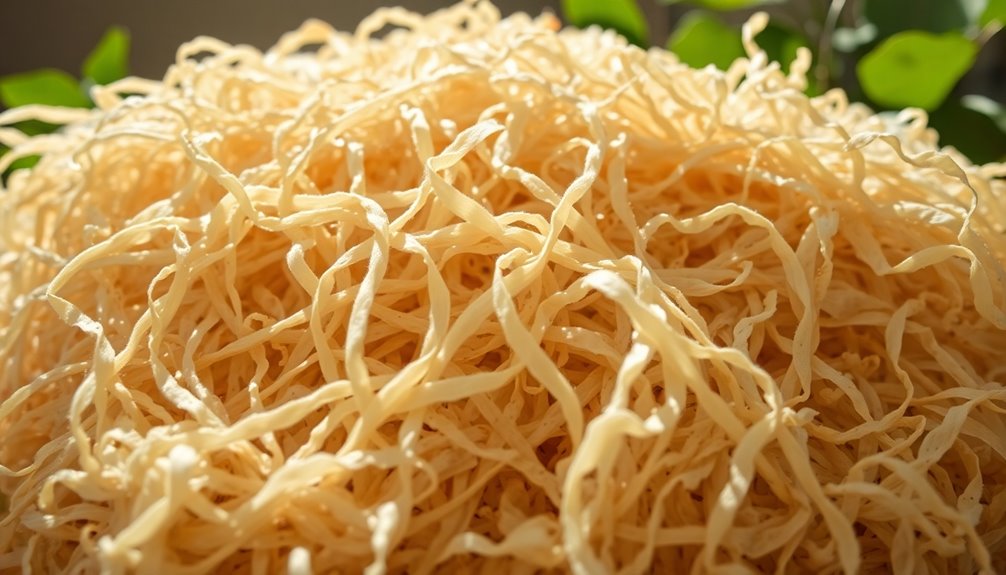

You can see why cotton rag paper earned its archival reputation because it’s made from pure cotton fibers, making it durable, resistant to tearing, and less prone to aging. Its chemical stability prevents yellowing or deterioration over time, even when exposed to light or air. The manufacturing process guarantees a smooth, contaminants-free surface that resists warping. These qualities make it ideal for preserving valuable documents and artworks securely over generations—find out more about what makes it so exceptional.

Get business pricing on monitors, keyboards and dev gear
- Business-only prices and quantity discounts
- Tax-exempt purchasing
- Multiple users, one account, clear invoices
Key Takeaways
- Made from pure cotton fibers, offering superior durability and resistance to tearing and aging.
- Naturally acid-free and chemically stable, preventing yellowing and deterioration over time.
- Manufactured through a meticulous process that minimizes impurities, ensuring a uniform, stable surface.
- Exhibits exceptional resistance to environmental factors like light and air, maintaining surface integrity.
- Recognized as the gold standard for archival preservation of manuscripts, art, and photographs.
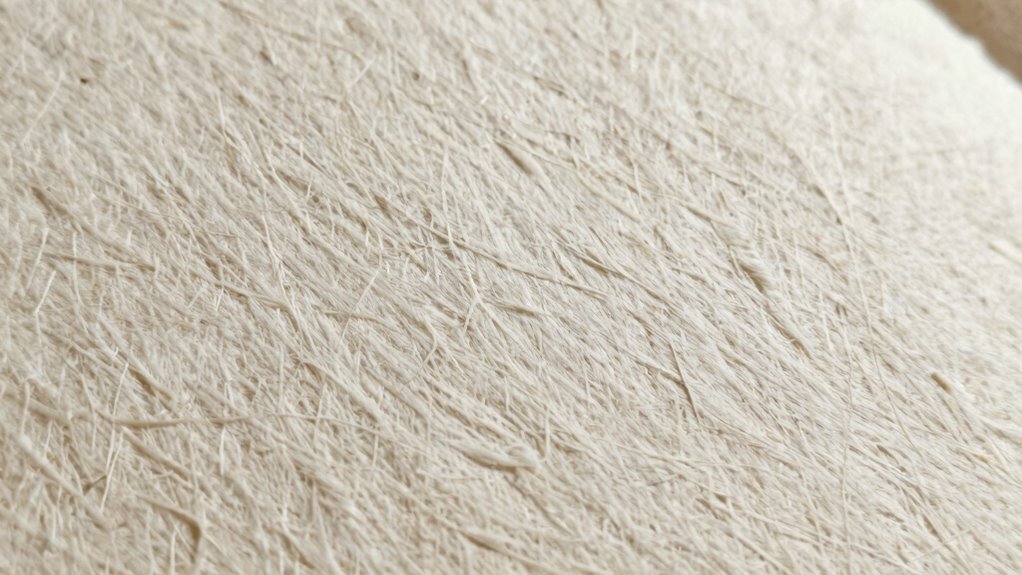
Cotton rag paper has long been prized for its durability and quality, but its reputation as an archival material is rooted in its unique composition and manufacturing process. When you handle this paper, you notice its exceptional textural durability — it resists tearing, creasing, and aging, maintaining its surface integrity over decades. This durability isn’t accidental; it’s a result of the pure cotton fibers used in its production, which create a dense, resilient structure unlike wood pulp-based papers that tend to become brittle over time. You can feel the substantial weight and firm texture, knowing these qualities make it suitable for preserving important documents, artworks, and photographs.
Beyond its physical robustness, cotton rag paper boasts remarkable chemical stability. You don’t have to worry about it yellowing or deteriorating with exposure to light, air, or environmental fluctuations. This stability stems from the absence of lignin and other acidic components commonly found in cheaper papers. Cotton fibers are naturally more resistant to acid degradation, which means the paper’s pH remains neutral or slightly alkaline, effectively neutralizing acids that might otherwise cause deterioration. When you examine the paper under proper conditions, you can appreciate how its chemical makeup helps it endure the test of time without significant chemical change. Its chemical stability is a key factor in its archival reputation, ensuring it remains preserved for generations. Additionally, the manufacturing process plays a crucial role in maintaining these qualities by producing a consistent and impurity-free product.
Cotton rag paper’s natural resistance to acids ensures lasting stability and longevity over time.
The manufacturing process further enhances these qualities. Cotton rag paper is produced through a careful, controlled process that minimizes contaminants and impurities. This meticulous craftsmanship results in a uniform, smooth surface that’s less prone to deterioration. As you handle it, you notice how its fibers are tightly bound, providing a stable base that resists warping or weakening. Proper manufacturing techniques are essential for ensuring the longevity and durability of the paper, which is why high-quality cotton rag papers are favored by archivists and artists alike. This stability is vital when you want your documents or artworks to survive generations without fading, disintegrating, or becoming damaged by environmental factors.
In essence, your confidence in cotton rag paper’s archival qualities comes from understanding its composition and manufacturing. Its inherent textural durability ensures it can withstand physical handling and aging, while its chemical stability guards against deterioration caused by environmental exposure. Whether you’re preserving a rare manuscript, creating a fine art print, or archiving valuable photographs, you need material that won’t compromise over time. Cotton rag paper’s unique qualities give you that assurance, making it the gold standard for archival use. It’s not just about the look or feel — it’s about creating a lasting record that will endure for future generations.
archival cotton rag paper for artwork
As an affiliate, we earn on qualifying purchases.
As an affiliate, we earn on qualifying purchases.
Frequently Asked Questions
What Are the Environmental Impacts of Producing Cotton Rag Paper?
Producing cotton rag paper impacts the environment mainly through resource use and waste. However, it promotes environmental sustainability when made with eco-friendly manufacturing practices, like recycling cotton fibers and reducing chemical use. You’ll find that cotton rag paper’s durability means fewer replacements, minimizing waste. Choosing responsibly produced cotton rag paper supports eco-friendly methods, helping reduce overall environmental impact while offering a long-lasting, high-quality product that aligns with sustainable values.
How Does Cotton Rag Paper Compare in Cost to Other Archival Papers?
Think of cotton rag paper as the wise old owl in the craft world, holding secrets of durability and value. It’s generally more costly than other archival papers due to its superior material quality and durability. The cost comparison shows that while cotton rag paper commands a higher price, its material affordability over time makes it a worthwhile investment for artists and conservators seeking long-lasting, high-quality preservation.
Can Cotton Rag Paper Be Recycled Easily?
You can recycle cotton rag paper, but recycling challenges arise because its fibers are often longer and stronger than standard paper, making it more difficult to break down. While it’s biodegradable and eco-friendly, recycling facilities may not always accept it easily. If you’re seeking eco-friendly alternatives, look for recycled or plant-based papers designed specifically for easier recycling, ensuring your environmental efforts are supported without facing significant recycling challenges.
What Are Common Applications Beyond Fine Art and Archival Storage?
Think of cotton rag paper as the Swiss Army knife of materials—versatile beyond fine art and archives. Its historical usage includes currency and legal documents, thanks to durability and security features. Today, modern innovations expand its applications into premium stationery, luxury packaging, and even specialty textiles. You might be surprised how this resilient material, once reserved for masterpieces, now elevates everyday products with a blend of tradition and innovation.
How Has the Manufacturing Process Evolved Over the Years?
You’ll notice that the manufacturing process has evolved considerably through historical techniques and manufacturing innovations. Early methods relied on manual pulp preparation, but today, automated machinery streamlines production, ensuring consistent quality. Innovations like water-based sizing and environmentally friendly bleaching have improved durability and sustainability. These advancements have allowed cotton rag paper to maintain its archival qualities while meeting modern demands for efficiency and eco-consciousness.
acid-free cotton paper for documents
As an affiliate, we earn on qualifying purchases.
As an affiliate, we earn on qualifying purchases.
Conclusion
Now that you know the story behind cotton rag paper’s archival fame, you can appreciate its timeless quality. It’s like holding a piece of history in your hands, resilient through centuries like a wise old sage. Whether you’re an artist or a collector, choosing cotton rag paper means you’re embracing a tradition that’s stood the test of time—much like a trusty typewriter in a digital age, it proves that some things are simply built to last.
As an affiliate, we earn on qualifying purchases.
archival quality paper for photographs
As an affiliate, we earn on qualifying purchases.
As an affiliate, we earn on qualifying purchases.
Fall Picks
fall essentials
As an affiliate, we earn on qualifying purchases.