
Watercolor paper behaves differently in large-format printing because its texture, absorbency, and thickness all impact how ink interacts with the surface. The roughness or smoothness can cause ink to spread unevenly or create painterly effects, while absorbency affects vibrancy and sharpness. Thicker papers resist warping and hold ink better, making the final print more durable. To get the best results, understanding these factors is key — keep exploring to learn how to optimize your prints.
Key Takeaways
- Larger formats make paper texture more prominent, affecting ink interaction and overall visual effect.
- Watercolor paper’s absorbency varies, influencing color vibrancy and ink blending at large scales.
- Thicker, heavier papers provide better support and resist warping during large-format printing.
- Texture and absorbency balance is critical to achieving desired artistic qualities and detail clarity.
- Proper paper selection enhances durability, color richness, and the authentic watercolor appearance in large prints.
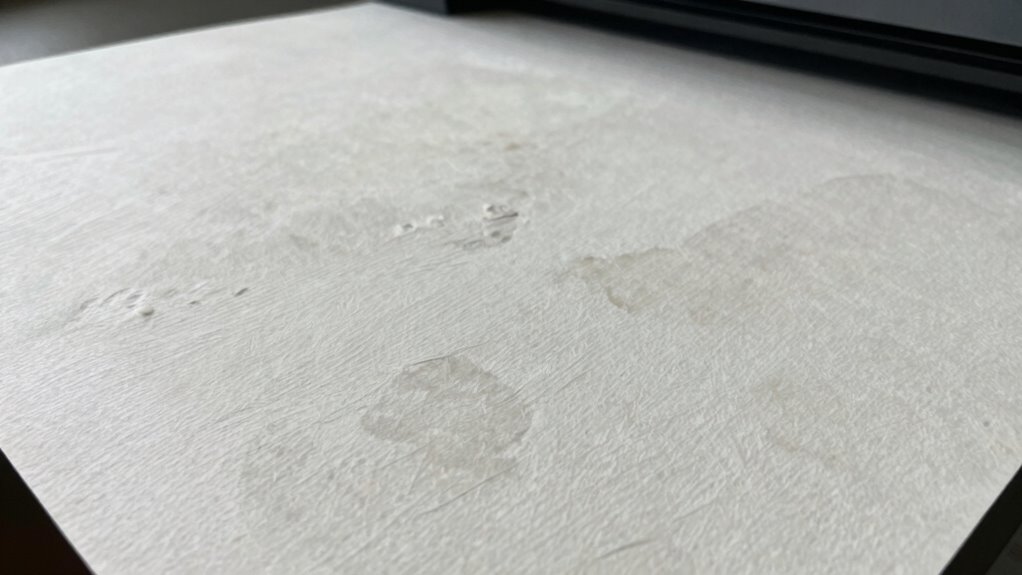
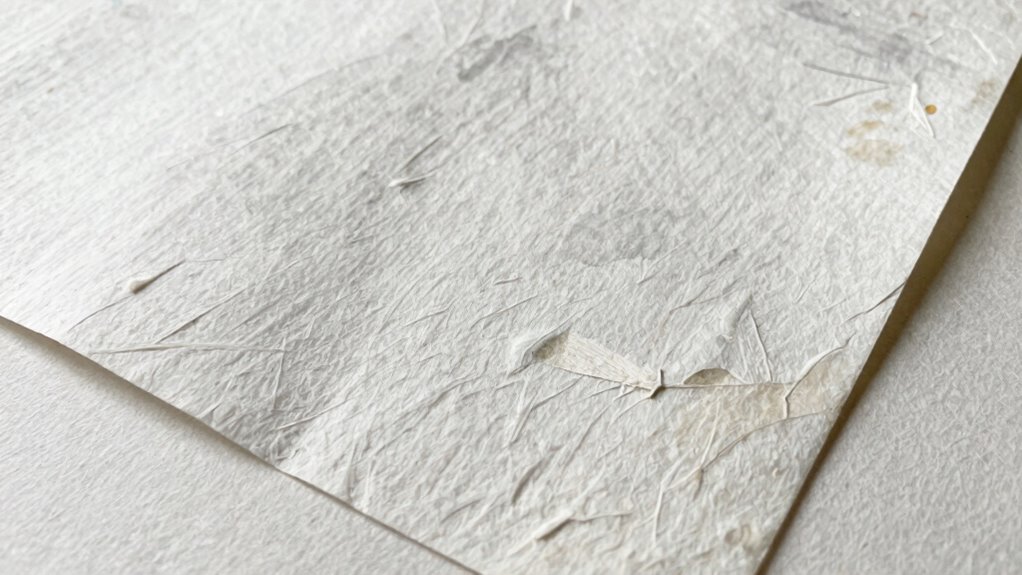
When it comes to large-format printing, choosing the right watercolor paper can make all the difference in achieving stunning, professional results. Unlike standard prints, large-format watercolor printing demands careful consideration of paper texture and ink absorption. The texture of the paper influences how the ink interacts with the surface, affecting both the look and feel of your print. Smooth papers produce crisp, detailed images, while rougher textures add a tactile quality that can enhance the artwork’s character. In large-format printing, the paper’s texture becomes more noticeable, so selecting a surface that complements your style is crucial. A textured paper can create a more expressive, painterly effect, but it may also cause the ink to settle unevenly if not chosen carefully.
Choosing the right watercolor paper enhances large-format prints with texture and clarity.
Ink absorption plays a significant role in how your artwork turns out at a large scale. Watercolor paper is designed to absorb ink differently than standard printing papers, which impacts color vibrancy and detail clarity. When you print on watercolor paper, the ink seeps into the fibers, creating a rich, layered effect that mimics traditional watercolor techniques. However, the amount of ink absorption varies depending on the paper’s thickness and texture. Papers with a high ink absorption rate tend to produce softer, more blended colors, while those with lower absorption levels preserve sharper details and contrast. If your paper absorbs ink too quickly, you might notice bleeding or fuzzy edges, compromising the precision needed for large-format prints. Additionally, understanding ink interaction with different textures can help you prevent common printing issues. Being aware of paper weight and its influence on the durability of large prints is equally important for achieving a professional quality finish.
In large-format printing, these differences in paper texture and ink absorption are magnified. You need to choose a watercolor paper that balances absorbency with surface texture to achieve the desired aesthetic. Too rough, and the ink may spread uncontrollably; too smooth, and the ink might not settle enough to create the depth and richness you want. Additionally, the paper’s weight and thickness influence how well it handles the large print without warping or buckling. Thicker, more robust papers tend to hold ink better and maintain their shape during printing, ensuring a more professional finish. Understanding the physical properties of watercolor paper can help you select the best material for your project.
Understanding how watercolor paper behaves in large-format printing allows you to make informed choices that elevate your results. The right paper texture and suitable ink absorption properties will help you produce vibrant, detailed images that stand out. By paying close attention to these factors, you can replicate the qualities of traditional watercolor artwork while enjoying the scalability and impact of large-format printing. Ultimately, the right watercolor paper transforms your digital files into stunning, gallery-quality prints that truly capture your artistic vision.

Kisston 10 Sheets Large Watercolor Paper 22 x 30 Inches, 140 Lb/300 GSM Cotton Drawing Paper Texture White Blank Painting Supplies for DIY Craft Activities Student Artists Drawing (Rough)
Sufficient Quantity to Use: you will get a total of 10 sheets of large watercolor paper in white,…
As an affiliate, we earn on qualifying purchases.
As an affiliate, we earn on qualifying purchases.
Frequently Asked Questions
How Does Humidity Affect Watercolor Paper During Large-Format Printing?
Humidity fluctuations can considerably impact watercolor paper during large-format printing. When humidity rises, the paper absorbs moisture, causing it to warp or curl, which affects print quality. Conversely, low humidity dries the paper out, making it more brittle and prone to cracking. To guarantee ideal results, keep the environment stable, and store your watercolor paper properly to minimize effects of humidity fluctuations and prevent paper warping during the printing process.
What Are the Best Coatings for Large Watercolor Prints?
You should choose coatings that enhance paper absorption and guarantee coating durability for large watercolor prints. A clear acrylic or varnish offers protection against moisture and UV damage while maintaining color vibrancy. Polyurethane-based coatings are also effective, providing a tough, durable layer. These coatings prevent smudging, preserve artwork details, and extend the lifespan of your prints, making them ideal for large-format watercolor displays.
Can Watercolor Paper Be Reused for Large-Format Printing?
You can reuse watercolor paper for large-format printing, but keep in mind that paper recycling affects ink absorption and print quality. Reused paper might have surface irregularities or residual textures that influence how ink settles, potentially causing uneven results. To get the best outcome, clean and prepare the paper properly, and test small sections first. Reusing can save costs but may require adjustments to your printing process for maximum ink absorption.
How Does Paper Texture Influence Print Adhesion in Large Formats?
Your paper’s texture acts like a delicate dance floor, guiding the ink’s journey. Fine textures with lower surface porosity let ink glide smoothly, ensuring good adhesion. Conversely, rough textures with higher fiber absorption can cause the ink to settle unevenly, risking smudges or misalignment. By understanding how fiber absorption and surface porosity interact, you can choose the ideal watercolor paper for crisp, vibrant large-format prints that stand out.
What Environmental Factors Impact Watercolor Paper Stability in Printing?
Environmental factors like humidity and temperature directly impact watercolor paper stability in printing. Higher humidity increases paper absorption, making it prone to warping, while low humidity can cause the paper to become brittle. Temperature fluctuations can affect ink spread, leading to uneven prints. You should control these factors to maintain consistent paper behavior, ensuring your prints stay stable and vibrant without unwanted warping or ink bleeding.

KOVIEDE 50 Sheets Watercolor Paper 8.5×11 Inch 105LB/230GSM Cold Press Practice Paper for Students and Beginners, Acid-Free Heavyweight Art Sheets for Painting, Printing, Scanning & Crafting
Thick 230gsm 8.5×11 Paper – This heavyweight water color paper provides a sturdy, warp-resistant surface that helps minimize…
As an affiliate, we earn on qualifying purchases.
As an affiliate, we earn on qualifying purchases.
Conclusion
In the end, understanding how watercolor paper reacts in large-format printing helps you achieve stunning results, just like mastering the brush in a Renaissance studio. Remember, every sheet has its quirks—think of it as a secret passage in your creative castle. So, don’t be afraid to experiment and adapt, because even in this digital age, a little old-school artistry can turn your prints into timeless masterpieces. Stay curious, and let your creativity flow!

30 Sheets Large Watercolor Paper, 22×30 Inches Cold Press Water Color Paper Pad, 300GSM Thick Heavyweight Large Drawing Paper Bulk for Beginners Artists Professionals
【Product Info】30 sheets large watercolor paper (22x30in/56×76.2cm), ample quantity for daily painting, craft projects and professional art creations,…
As an affiliate, we earn on qualifying purchases.
As an affiliate, we earn on qualifying purchases.
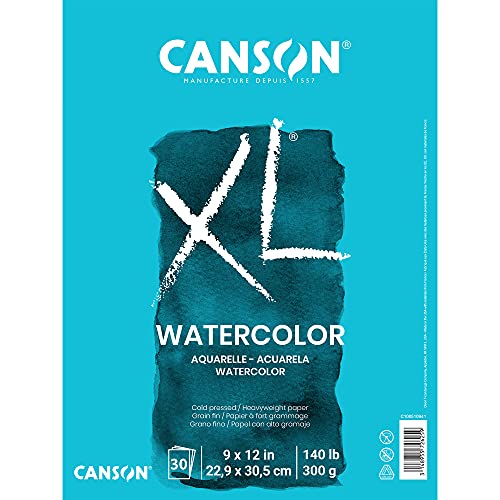
Canson XL Series Watercolor Pad, Heavyweight White Paper, Foldover Binding, 30 Sheets, 9×12 inch
This paper pad features a cold press finish, a durable surface
As an affiliate, we earn on qualifying purchases.
As an affiliate, we earn on qualifying purchases.