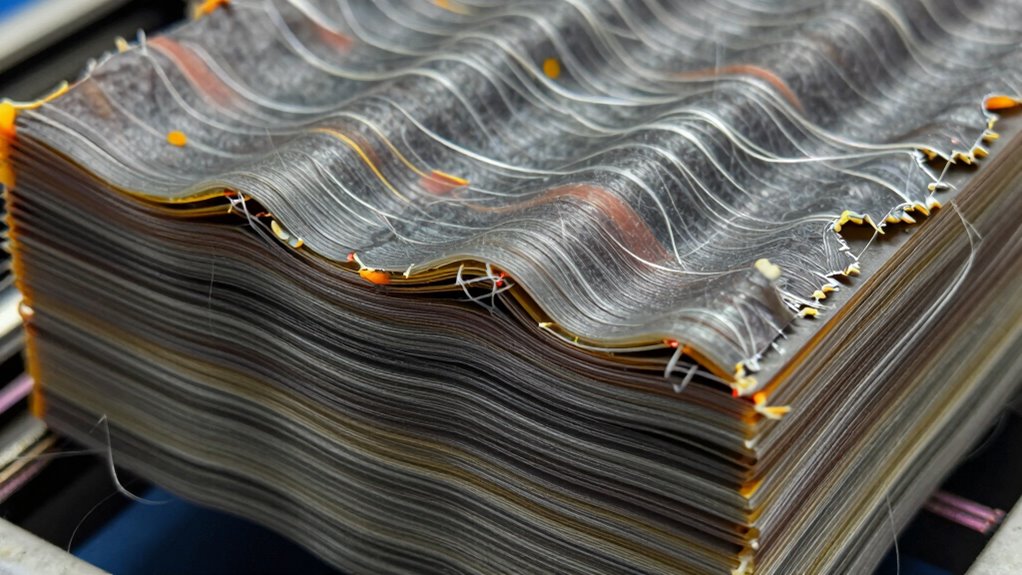
To troubleshoot warping, stringing, and layer shifts, first check your filament quality, bed leveling, and extrusion temperature. Make certain your printer’s belts and axes are tight and aligned, and use adhesion aids like glue or tape. Adjust retraction settings to reduce stringing and keep filament dry. Properly calibrating your printer and maintaining consistent settings can prevent recurring issues. If these tips sound familiar, more detailed solutions await to help you print better results.

Get business pricing on monitors, keyboards and dev gear
- Business-only prices and quantity discounts
- Tax-exempt purchasing
- Multiple users, one account, clear invoices
Key Takeaways
- Identify specific issues by observing symptoms like warping edges, stringing threads, or misaligned layers during prints.
- Check and adjust printer hardware, including bed leveling, belt tension, and axis alignment, to prevent mechanical causes.
- Optimize filament storage, ensure filament is dry, and select high-quality filament to reduce defects.
- Fine-tune print settings such as temperature, retraction, and cooling to improve adhesion and reduce stringing.
- Regularly maintain and calibrate the printer, including nozzle cleaning and axis calibration, for consistent printing quality.
As an affiliate, we earn on qualifying purchases.
Why Do Warping, Stringing, and Layer Shifts Happen in 3D Printing?
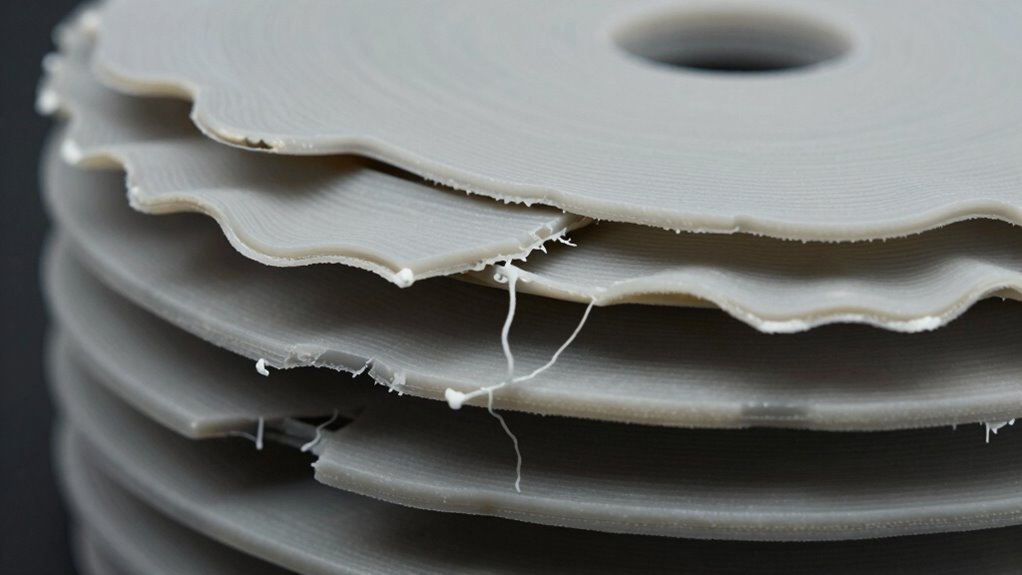
Ever wondered why warping, stringing, and layer shifts occur during 3D printing? These issues often stem from inadequate filament adhesion to the build plate or inconsistent temperature control. If your print doesn’t stick properly, warping can happen as the edges lift and curl. Poor temperature regulation can cause filament to cool too quickly or unevenly, leading to layer separation and shifting. Stringing results when the extruder leaks filament during moves, often worsened by improper temperature settings that make filament too runny. Layer shifts happen when the print head moves unexpectedly due to mechanical or thermal issues, but they’re also linked to inconsistent temperature control that affects filament flow. Ensuring essential filament adhesion and stable temperature control are vital for smooth, accurate 3D prints. Additionally, maintaining consistent temperature throughout the printing process minimizes thermal stresses that can cause layer misalignments. Proper bed leveling and ensuring the print surface is clean can also significantly improve adhesion and overall print quality. Monitoring thermal stability helps prevent sudden changes that can lead to print defects. Regularly inspecting your printer’s mechanical components can further reduce issues related to mechanical stability.
As an affiliate, we earn on qualifying purchases.
How Can You Recognize and Diagnose Common 3D Printing Problems?
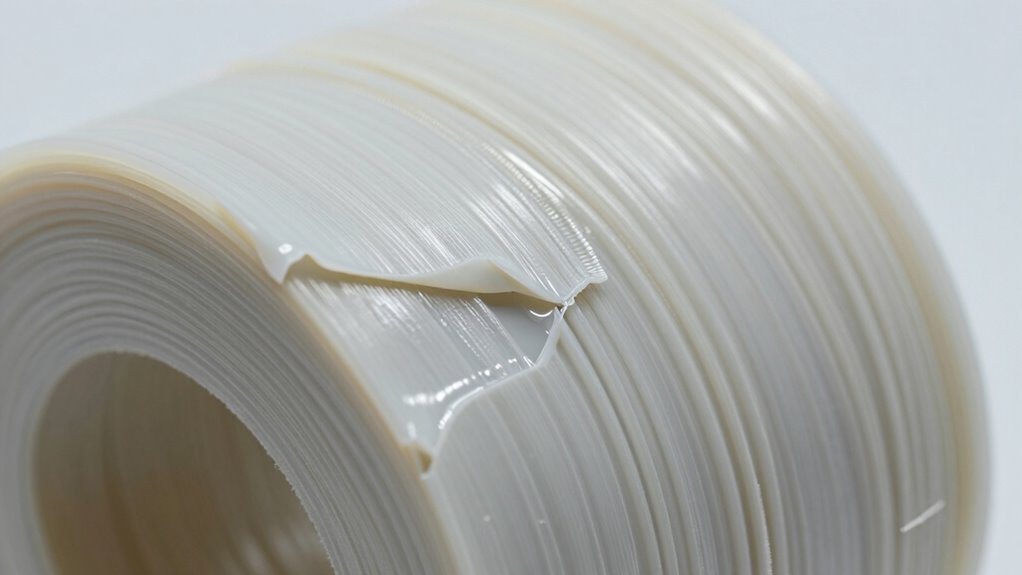
Recognizing and diagnosing common 3D printing problems starts with closely inspecting your prints for obvious signs of issues. Look for uneven layers, stringing, or warping. Poor filament quality can cause inconsistent extrusion, leading to weak or rough surfaces. If you notice layer shifts, check for loose belts or mechanical issues. A print enclosure helps maintain stable temperatures, preventing warping and layer separation. Use the table below to identify common problems and their visual clues:
| Problem | Visual Signs | Likely Cause |
|---|---|---|
| Warping | Corners lifting, curling | Insufficient heat, poor filament |
| Stringing | Thin strings between parts | Excessive retraction settings |
| Layer Shifts | Layers misaligned or shifted | Mechanical or belt issues |
| Poor Surface Finish | Rough or uneven surface | Filament quality or temperature |
Regularly inspecting prints helps you diagnose issues early and adjust settings accordingly.
retraction filament for 3D printing
As an affiliate, we earn on qualifying purchases.
As an affiliate, we earn on qualifying purchases.
What Printer Settings and Hardware Checks Prevent Warping and Shifts?
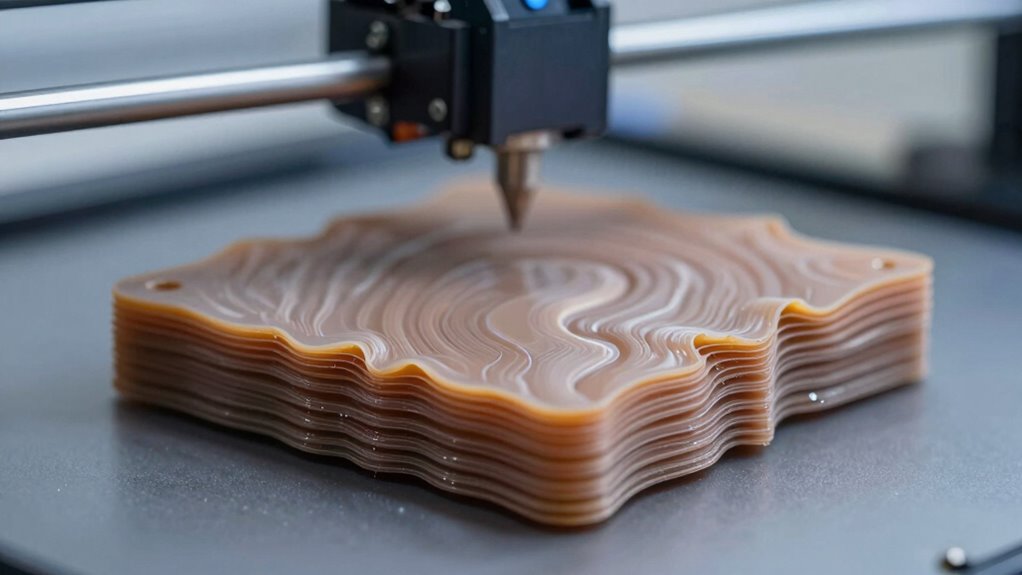
To prevent warping and shifts during 3D printing, you need to optimize your printer settings and perform regular hardware checks. Proper filament storage is key—store filament in a dry, airtight container to avoid moisture absorption, which can cause print inconsistencies. Make certain your bed adhesion is strong by leveling the bed accurately and applying adhesion aids like glue stick or painter’s tape if needed. Confirm that the bed temperature matches the filament manufacturer’s recommendations, promoting proper first layer adhesion. Check that the print bed is clean and free of debris or grease that could weaken adhesion. Regularly inspect your extruder and belts for looseness or wear, as hardware issues can contribute to shifts. Adjusting these settings and maintaining hardware integrity considerably reduces warping and shifting during prints.
As an affiliate, we earn on qualifying purchases.
How Can You Reduce Stringing and Improve Overall Print Quality?
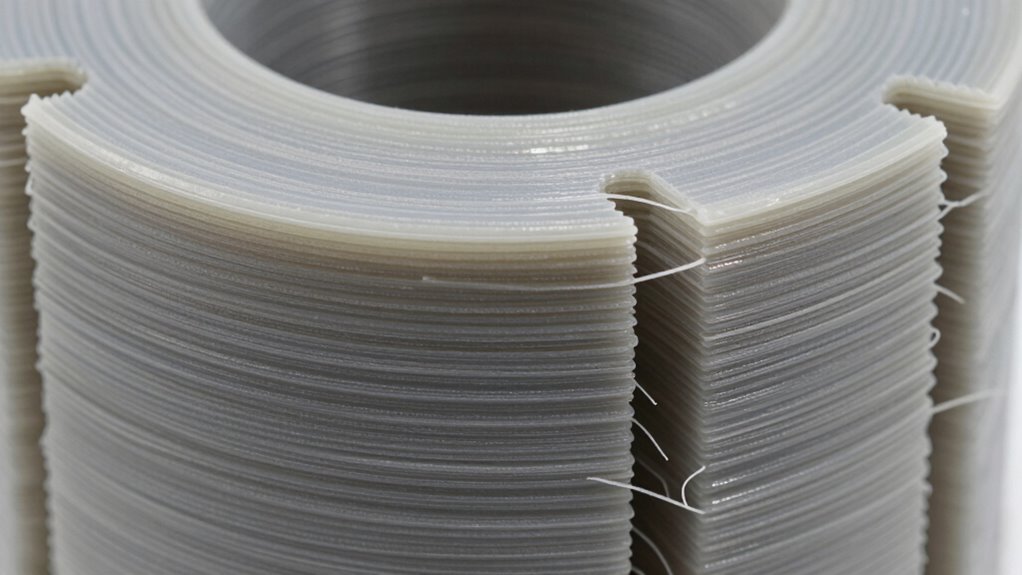
Stringing occurs when melted filament drips or oozes between moves, leading to unwanted threads on your print. To reduce stringing and improve overall print quality, start by using high-quality filament. Poor filament quality often contains impurities that cause inconsistent melting and flow. Additionally, perform regular nozzle maintenance; a clean, well-maintained nozzle prevents clogs and ensures smooth extrusion. Adjust your print temperature carefully—too high, and filament becomes overly liquid, increasing stringing; too low, and it may not flow properly. Enable retraction settings in your slicer software to pull filament back during travel moves. Proper filament storage can also help prevent moisture absorption, which negatively impacts print quality. Ensuring the correct printer calibration can further enhance print accuracy and reduce issues like stringing. Regularly monitoring extruder performance ensures consistent filament flow and minimizes defects. Using quality filament and maintaining proper storage conditions can significantly improve print results. Finally, test different settings and filament types to find the best combination for your specific printer, resulting in cleaner prints with fewer strings and better detail. Proper filament quality and maintenance are essential for achieving optimal print results.
What Are Effective Troubleshooting Tips for Persistent Warping, Stringing, and Layer Shifts?
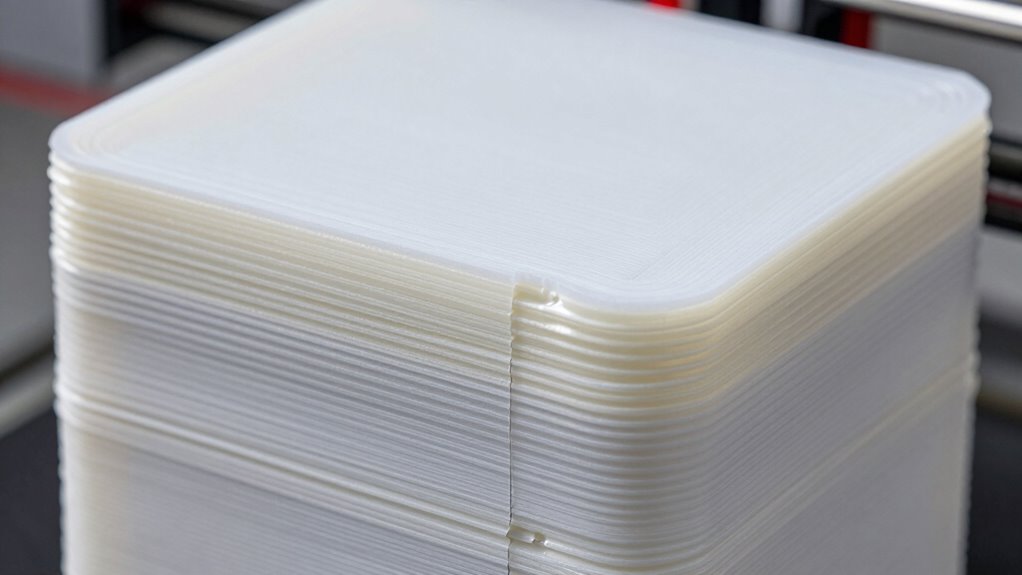
Persistent warping, stringing, and layer shifts can be frustrating issues that disrupt your print quality. To combat warping, guarantee proper bed adhesion by cleaning the print surface and using adhesion aids like glue stick or painter’s tape. Keep filament storage in a sealed, dry environment to prevent moisture absorption, which can worsen stringing and layer inconsistencies. Adjust your print temperature and speed settings to reduce stringing and improve layer bonding. Check your filament spool for tangles or knots that may cause uneven extrusion. Regularly calibrate your printer’s axes to prevent layer shifts. Improving bed adhesion and maintaining dry filament are key steps to minimize these problems. Additionally, utilizing smart lock solutions can help secure your workspace and prevent unauthorized access during critical printing tasks. Ensuring your printer’s temperature stability can also significantly reduce these common issues. Moreover, monitoring filament quality and selecting high-quality filament can further enhance print reliability and reduce defects. You can also optimize your print environment by controlling ambient temperature and airflow to prevent warping and layer issues. Paying attention to print settings such as retraction distance and acceleration can make a significant difference in print consistency.
Frequently Asked Questions
How Do Filament Types Influence Warping and Stringing Issues?
Different filament types influence warping and stringing due to their filament composition and moisture absorption. For example, ABS tends to warp more because of its higher thermal expansion, while PETG is less prone due to better layer adhesion. Filament that absorbs moisture can cause stringing, as water vapor creates bubbles during printing. To minimize issues, choose the right filament for your project and store it in a dry environment.
What Role Does Ambient Temperature Play in Print Quality?
Ambient temperature directly impacts your print quality by affecting bed adhesion and ambient humidity. When the room is too cold, your filament may not stick well, causing warping or layer shifts. High humidity can cause filament to absorb moisture, leading to stringing and poor surface finish. Keep the environment stable and warm, and control humidity levels to improve bed adhesion and guarantee smoother, higher-quality prints.
Can Hardware Upgrades Eliminate Persistent Layer Shifts?
Yes, hardware upgrades can eliminate persistent layer shifts if you focus on improving extruder calibration and bed leveling. Upgrading components like stepper drivers or using more precise belts helps guarantee consistent movement. You should also regularly calibrate your extruder and level your bed properly, as misalignments cause shifts. These upgrades and adjustments work together to provide smoother printing, reducing the chances of layer shifts occurring during your prints.
How Do Print Speed and Acceleration Affect Warping?
Higher print speeds and acceleration can increase warping because they cause more rapid movements and temperature fluctuations, which stress the print material. When you push your printer to print faster or accelerate quickly, it may not cool evenly, leading to uneven shrinkage and warping. To minimize this, try lowering print speed and acceleration settings, use a heated bed, and make sure proper bed adhesion to keep your prints stable.
What Maintenance Routines Prevent Common 3D Printing Errors?
Regular maintenance can considerably reduce common 3D printing errors. Start by properly storing your filament in a dry, airtight container to prevent moisture-related issues. Always calibrate your nozzle to guarantee accurate extrusion and layer adhesion. Additionally, check your bed leveling and clean the nozzle regularly to avoid clogs. These routines help maintain consistent print quality and prevent problems like warping, stringing, and layer shifts.
Conclusion
By understanding the causes behind warping, stringing, and layer shifts, you can troubleshoot more effectively. While adjusting settings and checking hardware can prevent issues, persistent problems remind you that even precision isn’t foolproof. Sometimes, perfect prints require patience and experimentation. Embrace the challenge—because in 3D printing, mastering these flaws transforms frustration into skill, turning imperfect layers into a tribute to your growing expertise.
Fall Picks
fall essentials
As an affiliate, we earn on qualifying purchases.