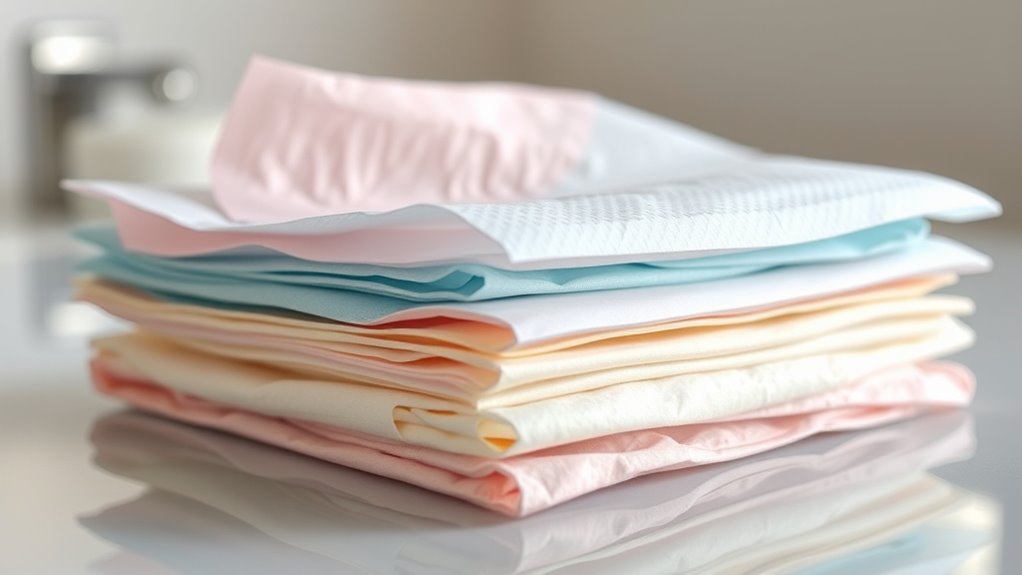

Tissue paper is essential for maintaining hygiene and cleanliness in your daily routine. You can use it to wipe your hands, clean surfaces, or blow your nose, helping reduce the spread of germs and bacteria. Nowadays, many tissues are antibacterial and eco-friendly, offering extra protection and sustainability. If you want to learn how these features enhance your health and environment, keep exploring the options available for effective and responsible cleaning.
Key Takeaways
- Tissue paper is essential for personal hygiene, enabling quick cleaning, hand wiping, and nose blowing in various settings.
- Antibacterial tissue paper offers added protection by killing or inhibiting bacteria on contact, promoting safer hygiene practices.
- Eco-friendly tissues made from recycled or plant-based fibers support sustainable cleaning without sacrificing softness or effectiveness.
- Combining antibacterial and eco-friendly features provides effective cleaning while reducing environmental impact.
- Regular use of tissue paper helps prevent germ spread, maintain surface cleanliness, and promote overall health and hygiene.
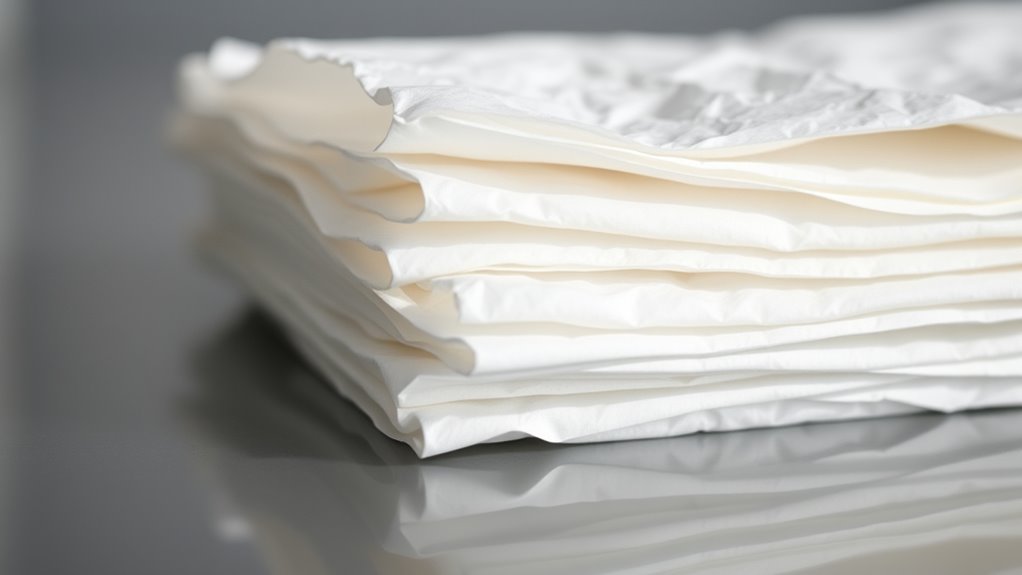
Have you ever wondered how tissue paper has become an essential item in maintaining hygiene and cleanliness? It’s everywhere—from your bathroom to your kitchen, in your purse, and even in workplaces. Its versatility and convenience make it a go-to for quick cleanups, wiping hands, or blowing your nose. But beyond its simple appearance lies a fascinating evolution driven by health concerns and environmental awareness. Modern tissue papers often boast antibacterial properties, giving you an extra layer of protection against germs. This feature is especially valuable during cold and flu seasons or when you want to reduce the spread of bacteria on your hands and surfaces. These antibacterial tissues are treated with safe, effective agents that inhibit or kill bacteria on contact, making them a practical choice for maintaining hygiene on the go. You’ll find these tissues particularly useful in public spaces or when traveling, where access to soap and water might be limited.
Tissue paper with antibacterial properties offers extra hygiene benefits for everyday use and travel.
At the same time, there’s a growing emphasis on eco-friendly materials in tissue paper manufacturing. You might be surprised to learn that many tissue papers are now made from recycled paper or plant-based fibers. Using eco-friendly materials helps reduce deforestation, lessen waste in landfills, and conserve water and energy during production. When you choose tissue paper made from recyclable or biodegradable materials, you’re actively supporting sustainable practices that protect the environment. It’s a small change with a significant impact, especially since tissue paper is often used in large quantities. By opting for eco-conscious options, you’re ensuring your hygiene routine aligns with your values of caring for the planet.
You’ll also notice that eco-friendly tissue papers are often just as soft and durable as traditional ones, so you don’t have to sacrifice comfort or effectiveness. Many brands now combine antibacterial properties with eco-friendly materials, offering products that keep you clean and help preserve the environment at the same time. Whether it’s for wiping your hands after a meal, cleaning up spills, or blowing your nose, these tissues give you peace of mind knowing you’re making smarter, more responsible choices.
Additionally, the incorporation of antibacterial agents in tissue paper can help reduce the transmission of germs and viruses, further enhancing its protective qualities. Whether it’s for personal hygiene or surface cleaning, choosing tissues with antibacterial features supports a healthier lifestyle. In the end, tissue paper isn’t just about convenience; it’s about protecting your health and the environment. The integration of antibacterial features and sustainable materials shows how this everyday item has evolved to meet modern needs. As you incorporate these options into your routine, you’re not only maintaining your hygiene but also contributing to a healthier planet. It’s a simple switch that makes a big difference—an everyday act with a positive impact.

Kleenex Anti-Viral Facial Tissues, 6 Cube Boxes, 55 Tissues per Box
- Package Includes: 6 boxes of 55 tissues each
- Anti-Viral Protection: Kills cold and flu viruses
- Effective Virus Kill: Kills 99.9% of viruses on contact
As an affiliate, we earn on qualifying purchases.
As an affiliate, we earn on qualifying purchases.
Frequently Asked Questions
Is Tissue Paper Environmentally Friendly?
Tissue paper isn’t always environmentally friendly, but it can be if you choose eco-conscious options. The environmental impact depends on manufacturing processes, like whether they use sustainable sources or energy-efficient methods. Look for tissue paper made from recycled materials or certified by environmental organizations. By making mindful choices, you help reduce waste and support greener production, making tissue paper more sustainable for everyday hygiene and cleaning needs.
How Should Tissue Paper Be Stored for Longevity?
Think of your tissue paper as a delicate flower that needs protection. To keep it fresh and effective, store it in a cool, dry place away from direct sunlight. Proper storage conditions are key—avoid high humidity to prevent moisture damage. Seal the pack tightly after use to prevent moisture absorption, ensuring your tissue paper stays soft and ready whenever you need it.
Can Tissue Paper Be Recycled After Use?
Yes, you can recycle tissue paper after use, but it depends on its contamination level. For recycling, the tissue must be clean and free of contaminants like food or chemicals. If it’s soiled, consider composting it using appropriate composting methods, especially if it’s made from biodegradable materials. The recycling process involves breaking down clean tissue into fibers for new products, while composting naturally decomposes the tissue, enriching compost.
Are There Hypoallergenic Tissue Paper Options Available?
Yes, you can find hypoallergenic tissue paper options designed for sensitive skin. These tissues are made from hypoallergenic materials that reduce irritation and allergic reactions. If you have skin sensitivities, look for products labeled as skin sensitive or hypoallergenic. They offer a gentle alternative, ensuring comfort and safety. Always check the packaging to confirm it’s free from fragrances, dyes, and other potential irritants for ideal skin health.
What Are the Benefits of Using Biodegradable Tissue Paper?
Using biodegradable tissue paper offers you eco-friendly benefits, as it breaks down naturally and reduces landfill waste. By choosing compostable products, you support sustainable practices and lessen your environmental impact. This type of tissue paper often comes in biodegradable packaging, making your entire purchase more environmentally conscious. You’ll feel good knowing you’re helping conserve resources, promote recycling, and contribute to a healthier planet with every use.

Koogel Brown Tissue Paper 120 Sheets, 20 X 14 inch for Gift Bags DIY Crafts
- Bulk Pack of 120 Sheets: Natural Kraft Brown Tissue Paper
- Ideal Size for Gift Bags: 20 x 14 inches per sheet
- Perfect for Rustic & Vintage Themes: Suitable for weddings and parties
As an affiliate, we earn on qualifying purchases.
As an affiliate, we earn on qualifying purchases.
Conclusion
Think of tissue paper as a gentle shield in your daily life, symbolizing your commitment to cleanliness and care. Just as it quietly protects and refreshes, your choice to use tissue paper reflects your dedication to hygiene and respect for your surroundings. Embrace this simple tool as a symbol of purity and mindful living. With each use, you’re nurturing a cleaner, healthier environment—one delicate touch at a time.
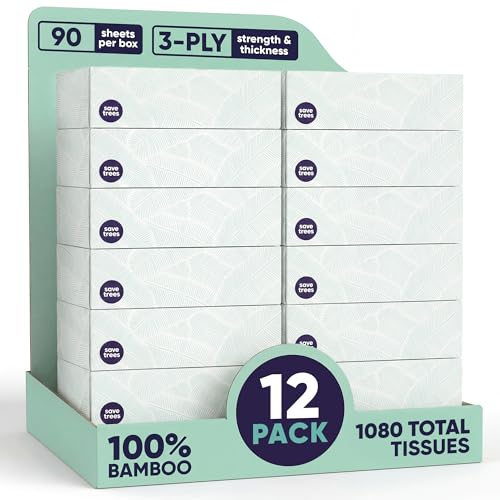
Save Trees Bamboo Facial Tissues – 12 Boxes of Eco-Friendly, 3-Ply Hypoallergenic Tissues, 90 Sheets per Box, FSC Certified, Plastic-Free Packaging, Soft & Gentle for Home Use
- Eco-Friendly Material: Sustainably sourced bamboo, FSC certified
- Gentle & Soft: 3-ply hypoallergenic, fragrance-free tissues
- Versatile Use: Suitable for allergies, cold, and daily needs
As an affiliate, we earn on qualifying purchases.
As an affiliate, we earn on qualifying purchases.

Impossibly Compact Travel Antibacterial Wipes Hand Sanitizer – 99% Water and Aloe – Safe for Sensitive Skin, Hand Wipes – Travel Essentials For Adults & Kids, 10 Pack Total 60 Wipes
- Compact and portable design: Fits in wallet, purse, or bag
- Travel-ready antibacterial wipes: Clean hands and surfaces anywhere
- Made with 99% water and aloe: Gentle for sensitive skin
As an affiliate, we earn on qualifying purchases.
As an affiliate, we earn on qualifying purchases.