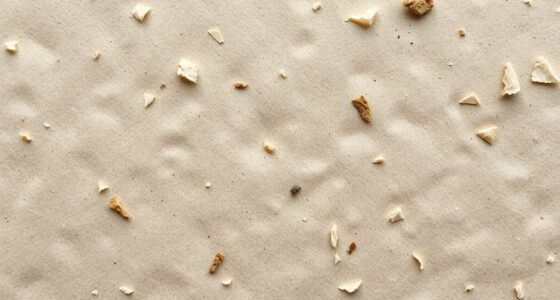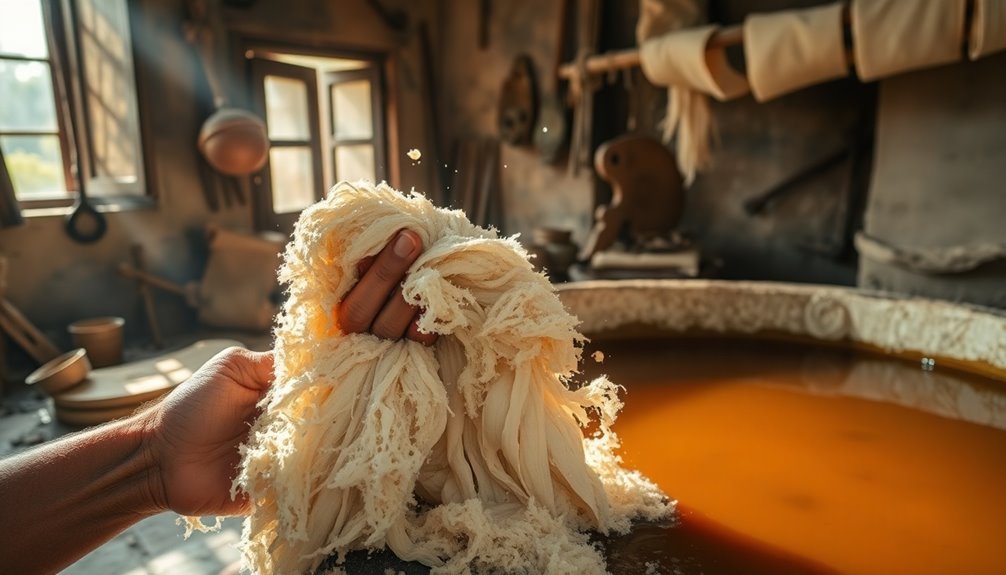

Archival-quality cotton paper is built to last, helping your documents, artwork, or photos stay in great condition for generations. It’s acid-free, which means it has a stable, neutral pH that prevents yellowing, brittleness, and deterioration over time. Made from pure cotton fibers, it offers durability, flexibility, and resistance to environmental changes. If you want your items to endure, understanding the factors behind high-quality cotton paper can make a big difference—more details await if you explore further.
Key Takeaways
- Archival cotton paper is made from cellulose fibers, ensuring durability and long-term preservation of documents and artwork.
- Its acid-free, pH-neutral composition prevents deterioration like yellowing and brittleness over time.
- Free from lignin and harmful acids, it resists environmental factors and handling damage.
- Designed for museum, archival, and personal collections, it supports the preservation of valuable or sensitive items.
- Its inherent stability reduces the need for conservation treatments, saving costs and maintaining item integrity.

Archival quality cotton paper is essential if you want your documents, artwork, or photographs to last for generations. When it comes to preservation, choosing the right material is crucial, and cotton paper stands out because of its durability and inherent qualities. One of the key features of archival cotton paper is its acid-free preservation. Acid-free means the paper has a neutral or slightly alkaline pH, which helps prevent deterioration over time. Acidic papers tend to become brittle, discolored, and prone to tearing, making them unsuitable for long-term storage. Cotton paper’s pH balance is carefully maintained during manufacturing, ensuring it remains stable and resistant to acid migration that can compromise its integrity.
The pH balance of cotton paper plays a pivotal role in its longevity. When the paper maintains a neutral or alkaline pH, it resists the acids that cause paper to degrade. This is particularly important if you’re storing valuable documents, fine art, or photographs that you want to preserve in pristine condition for future generations. Unlike standard paper, which often contains wood pulp and other additives that can introduce acids, high-quality cotton paper is made primarily from cellulose fibers derived from cotton linters. This composition naturally lends itself to a more stable pH, reducing the risk of acid-related deterioration. Additionally, high-quality cotton paper is often manufactured with alkaline sizing, further enhancing its longevity and resistance to environmental factors.
You’ll find that cotton paper’s acid-free preservation qualities are especially vital in archival settings, museums, and personal collections. Because it’s free from acids and lignin, it doesn’t produce harmful acids over time, which ensures your items won’t yellow, become brittle, or fade prematurely. Additionally, the fiber structure of cotton paper is more resilient and flexible, which adds to its ability to withstand handling and environmental fluctuations without damage. Its natural durability means less need for conservation treatments down the line, saving you money and effort.

Southworth® 100% Cotton Résumé Paper, 8 1/2" x 11", 24 Lb, 100% Recycled, Ivory, Pack of 100
- High-Quality Cotton Material: 100% cotton for a professional look
- Lignin-Free and Acid-Free: Resists yellowing over time
- Versatile Printing Compatibility: Suitable for copiers, inkjet, laser printers
As an affiliate, we earn on qualifying purchases.
As an affiliate, we earn on qualifying purchases.
Frequently Asked Questions
How Does Cotton Paper Compare to Other Archival Materials?
You’ll find that cotton paper surpasses many other archival materials because it’s acid-free, which helps prevent deterioration over time. Its natural fibers resist aging better, making it ideal for preservation techniques. Unlike wood pulp paper, cotton paper maintains its strength and appearance longer, ensuring your artwork or documents stay intact. Choosing cotton paper means you’re investing in durability and quality, giving your pieces a better chance at long-term preservation.
Can Cotton Paper Be Recycled Easily?
Yes, cotton paper can be recycled easily as part of the recycling process. Since it’s biodegradable and made from natural fibers, it breaks down efficiently and integrates well with eco-friendly options. When you recycle cotton paper, you help reduce waste and conserve resources, making it a sustainable choice. Just make sure to remove any non-paper materials, like adhesives or coatings, to guarantee smooth recycling.
What Is the Environmental Impact of Manufacturing Cotton Paper?
The environmental impact of manufacturing cotton paper depends on your choices. By supporting sustainable farming practices, you help reduce land degradation and conserve water. Eco-friendly production methods minimize chemical use and energy consumption, lowering pollution and carbon emissions. When you opt for cotton paper made with these practices, you contribute to a more sustainable environment, ensuring that your paper use supports conservation efforts and reduces ecological harm.
How Long Does Cotton Paper Typically Last When Stored Properly?
Ever wonder how long your cotton paper can last? With proper preservation techniques and ideal storage conditions, it can endure for over a century. Keep it in a cool, dry, and dark environment, and avoid exposure to light, humidity, and pollutants. These measures substantially extend its lifespan, ensuring your valuable documents or artwork remain intact and vibrant for generations to come. Proper care truly makes a lasting difference.
Are There Specific Brands Known for High-Quality Archival Cotton Paper?
You’ll find that brands like Arches and Fabriano are known for high-quality archival cotton paper. Their brand reputation is excellent, ensuring durability and quality for your projects. When comparing prices, expect to pay a premium for these reputable brands, but you get reliable archival qualities in return. If you prioritize longevity and premium results, investing in these brands is worth it. Consider your budget and project needs before making a choice.

Lineco Buffered Acid-Free Interleaving Tissue 8.5"x11", Pack of 100
- Trusted Brand: Lineco archival storage materials
- Versatile Use: Preserves photos, documents, artwork
- Protects 3D Items: Wraps fragile textiles and objects
As an affiliate, we earn on qualifying purchases.
As an affiliate, we earn on qualifying purchases.
Conclusion
So, don’t worry if cotton paper seems expensive at first. Think of it as an investment in your artwork’s future, ensuring it stays beautiful for generations. Sure, some papers might seem more affordable, but they often won’t stand the test of time. Choosing archival quality cotton paper might cost a bit more now, but it’s worth it for peace of mind and lasting preservation. Your creations deserve the best—choose cotton paper and keep your art alive.

75% Cotton 25% Linen Paper, 85gsm Inkjet Printing Paper, 8.5"x11" White Color Resume Paper,100 Sheets Won't Get Wet Cotton Paper
- Status-Reflecting Design: Symbol of elevated status
- Wide Printer Compatibility: Works with inkjet, copier, offset, screen
- Water-Resistant Durability: Resists water for 30 minutes
As an affiliate, we earn on qualifying purchases.
As an affiliate, we earn on qualifying purchases.

Acid Free Archival Paper 100 Sheets 20 x 15 Inch Unbuffered Acid-Free Tissue Paper White Tissue Paper for Long-Term Storage & Preservation of Clothing Antiques DIY Decoration
- Package Quantity: 100 sheets of 20 x 15 inch paper
- Material: High-quality acid-free archival paper
- Storage Use: Ideal for long-term storage and preservation
As an affiliate, we earn on qualifying purchases.
As an affiliate, we earn on qualifying purchases.