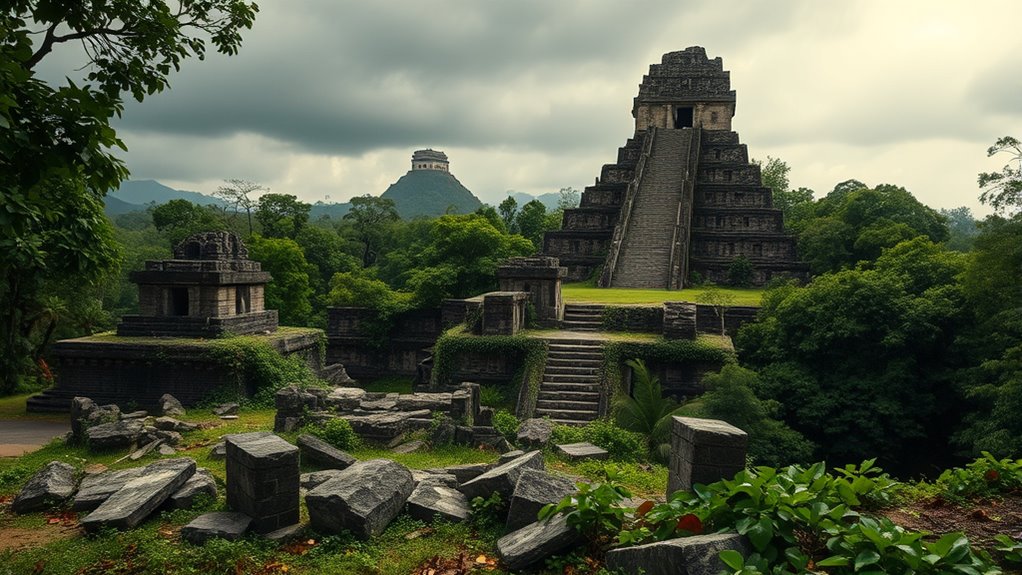
Many UNESCO World Heritage Sites face urgent threats from climate change and urbanization that could severely damage their historic and natural value. Rising sea levels, extreme weather, and pollution endanger coastal and environmental sites, while urban expansion and tourism strain infrastructure and ecosystems. If these threats aren’t addressed, sites risk irreversible erosion and loss of cultural significance. To find out what actions are being taken and how you can help, keep exploring the challenges these sites face.
Key Takeaways
- Climate change causes rising sea levels, extreme weather, and erosion threatening coastal and environmental heritage sites.
- Urbanization pressures lead to development, pollution, and overcrowding that damage and encroach on protected sites.
- Increased tourism and infrastructure projects strain resources and accelerate degradation of cultural and natural landmarks.
- Climate-related events like storms and droughts cause irreversible damage to monuments, landscapes, and ecosystems.
- Implementing stricter regulations and global efforts are essential to mitigate threats and preserve UNESCO sites for future generations.
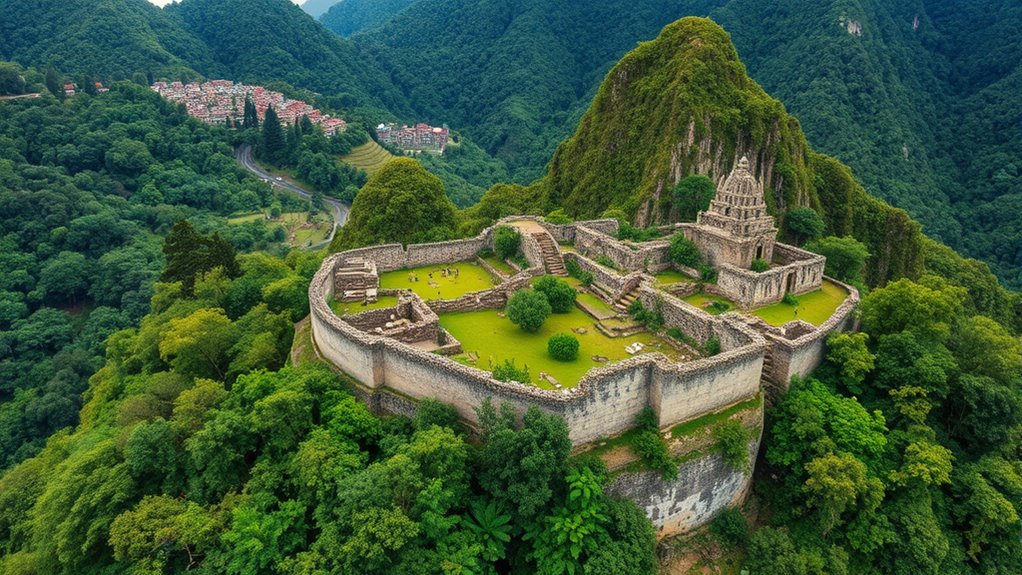
Many UNESCO World Heritage Sites are facing increasing threats, putting their cultural and natural significance at risk. Among these threats, climate change impacts and urbanization pressures stand out as the most urgent. You might not realize it, but the very environments that make these sites unique are now vulnerable to rising temperatures, shifting weather patterns, and extreme events. Rising sea levels threaten coastal sites, while increased droughts and storms can accelerate erosion and degradation of delicate structures and landscapes. These climate-related changes aren’t just distant concerns; they affect the preservation of centuries-old monuments, UNESCO-designated parks, and historic cities today. If the climate continues to warm, many of these sites could suffer irreversible damage, losing their integrity and the stories they hold.
At the same time, urbanization pressures compound the risks. As cities expand, there’s often a push to develop around or even directly within UNESCO sites. This development can lead to overcrowding, pollution, and encroachment, all of which threaten the authenticity and integrity of these areas. Infrastructure projects, new roads, and commercial ventures can disturb fragile ecosystems and historic structures. You might notice that in many popular sites, the influx of tourists and nearby urban growth strain local resources and cause wear and tear. Urbanization pressures also lead to increased waste and pollution, further degrading these treasured places. The challenge is balancing development with preservation so that the site’s cultural and natural values aren’t compromised for short-term economic gains.
Both climate change impacts and urbanization pressures threaten to diminish the very qualities that earned these sites UNESCO recognition. If unchecked, the combination of environmental shifts and human expansion could lead to loss of biodiversity, destruction of cultural artifacts, and the erosion of historical landscapes. You need to understand that protecting these sites requires immediate action. Strategies like stricter regulations, sustainable tourism practices, and global efforts to mitigate climate change are essential. Without them, these sites risk becoming shadows of their former selves, with their stories and natural beauty fading away. The task is formidable, but with awareness and concerted efforts, it’s possible to safeguard these irreplaceable heritage treasures for future generations.
Frequently Asked Questions
How Does UNESCO Prioritize Which Sites to Protect First?
You might wonder how UNESCO decides which sites to protect first. They prioritize based on factors like heritage tourism impact, cultural significance, and the urgency of threats. Conservation funding plays a big role, helping sites at greatest risk. By focusing on areas facing immediate danger or high visitor pressure, UNESCO guarantees resources are used effectively, safeguarding the most valuable and vulnerable sites for future generations.
What Role Do Local Communities Play in Preservation Efforts?
You play a essential role in preservation efforts through community involvement, helping protect cultural preservation at UNESCO sites. Your participation guarantees local traditions, practices, and knowledge are maintained, fostering a sense of ownership and responsibility. By engaging in conservation activities, advocating for sustainable tourism, and respecting cultural heritage, you help safeguard these sites for future generations, making preservation a shared effort that truly benefits the entire community.
Are There Successful Examples of Threatened Sites Being Saved?
Like a fragile glass ornament, some threatened sites have been saved through dedicated efforts. You’ll find that successful heritage conservation often hinges on collaboration, preservation funding, and local community involvement. For example, the ancient city of Dubrovnik was restored after damage from conflict, showcasing that collective action and investment can protect cultural treasures. These stories prove that with passion and resources, even endangered sites can be preserved for future generations.
How Can Travelers Contribute to Protecting UNESCO Sites?
You can contribute to protecting UNESCO sites by practicing eco-tourism and responsible travel. When you visit, follow guidelines to minimize your impact, like staying on designated paths and avoiding littering. Support local communities and businesses that prioritize conservation. Educate yourself about the site’s significance and share that knowledge. Your mindful travel choices help preserve these cultural treasures for future generations, making a real difference in their protection.
What Are the Long-Term Impacts of UNESCO Listing on Local Economies?
Did you know that UNESCO sites often see a 20% boost in local economic benefits? When a site earns UNESCO status, you help promote cultural preservation and attract more tourism, which benefits local businesses and creates jobs. Long-term, this recognition encourages communities to invest in maintaining heritage, ensuring that future generations can enjoy these sites and the economic growth they generate, strengthening local economies sustainably.
Conclusion
You see, UNESCO World Heritage Sites are like fragile treasures, easily damaged if we don’t protect them. It’s up to us to act now, just as a gardener nurtures delicate plants. By raising awareness and taking responsibility, we can help preserve these invaluable sites for future generations. Remember, ignoring the threats is like letting a priceless painting fade away—once lost, it’s gone forever. So, let’s be the guardians these sites truly deserve.