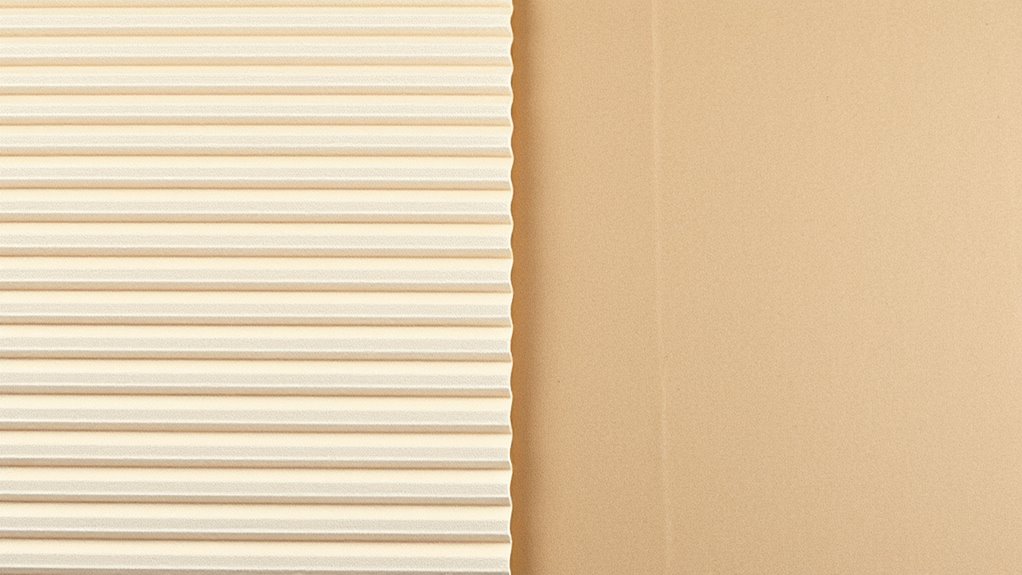

Corrugated and cardboard differ mainly in structure, durability, and environmental impact. Corrugated features a fluted inner layer sandwiched between linerboards, making it stronger and better for protecting heavy or fragile items during shipping. Cardboard is thicker and more rigid but less resilient to crushing, ideal for internal packaging. Corrugated is more sustainable due to its recyclability and use of recycled materials. If you want to understand how these differences affect their uses, keep exploring.
Key Takeaways
- Corrugated material has a fluted structure sandwiched between linerboards, offering superior strength and cushioning compared to solid, thicker cardboard.
- Corrugated is more environmentally sustainable, with higher recyclability and use of recycled fibers, while cardboard often contains more virgin fibers.
- Corrugated provides better protection for shipping heavy or fragile items due to its layered, shock-absorbing design; cardboard is less durable under stress.
- Corrugated manufacturing emphasizes waste reduction and recycling, whereas cardboard production typically involves more energy and generates more waste.
- Corrugated is mainly used for shipping and heavy-duty packaging, while cardboard is suited for lightweight internal packaging or displays.
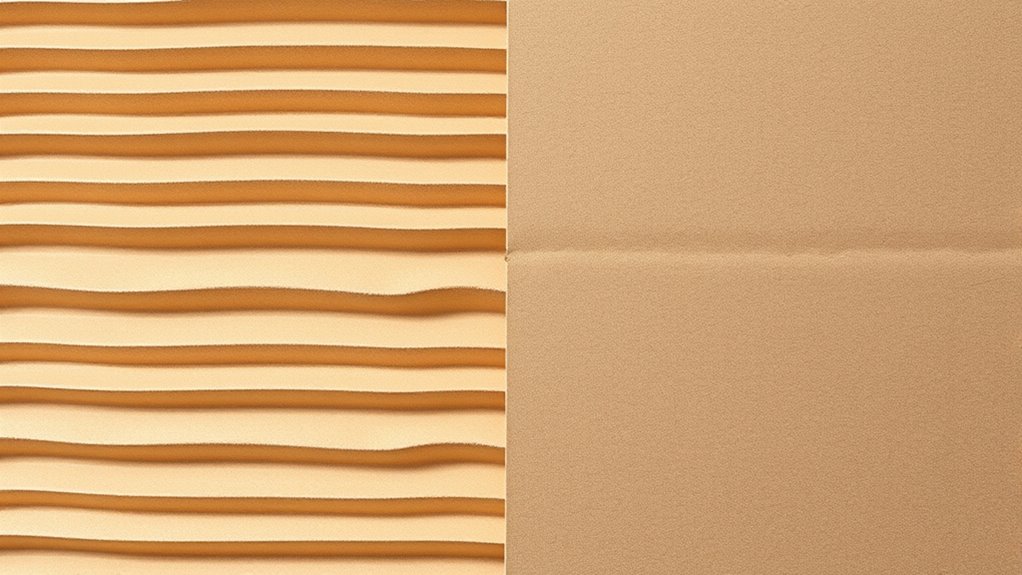
When choosing packaging materials, understanding the differences between corrugated and cardboard is essential. Both options are prevalent in shipping, storage, and retail displays, but they serve different purposes and come with distinct environmental impacts. Sustainability concerns play a significant role in your decision-making process, especially as businesses seek eco-friendly solutions. Corrugated material is often considered more sustainable because of its manufacturing processes and recyclability. It’s typically made from a corrugated medium (fluted paper) sandwiched between linerboards, which can be produced using recycled fibers. The manufacturing process for corrugated involves converting large rolls of paper into sheets that are then shaped into the familiar fluted structure, providing strength and protection. This process is designed to minimize waste and maximize the use of recycled materials, making corrugated boxes a more environmentally conscious choice. Additionally, innovations in recycling technology continue to enhance the efficiency and sustainability of corrugated manufacturing. Cardboard, on the other hand, generally refers to a thicker, more rigid form of paperboard, often used for product packaging, inserts, or displays. Its manufacturing process involves compressing fibers under heat and pressure to produce a sturdy, smooth surface. While cardboard can also be recycled, it typically contains more virgin fibers and less recycled content than corrugated, raising concerns about its sustainability footprint.
In terms of durability, corrugated packaging offers superior strength and cushioning, making it suitable for shipping fragile or heavy items. Its layered structure absorbs shocks and impacts, reducing damage during transit. Cardboard, however, is more rigid and less resilient to crushing or bending, limiting its use primarily to internal packaging or lightweight products. When considering environmental impacts, corrugated’s ability to be recycled multiple times with minimal quality loss gives it an edge over cardboard. Recycling processes for corrugated are well-established and efficient, further reducing its environmental footprint. Meanwhile, some types of cardboard may require more energy during manufacturing and may generate more waste if not properly recycled.
Ultimately, your choice depends on your specific needs, but understanding the manufacturing processes and sustainability concerns associated with each material helps guide responsible decision-making. Corrugated’s eco-friendly reputation stems from its efficient manufacturing, high recyclability, and use of recycled content, making it a more sustainable option for many applications. Cardboard can be suitable for certain uses, but its environmental impact is often higher due to its production and lower recyclability rate. By weighing these factors, you can select a packaging material that aligns with your sustainability goals while meeting your durability and protection requirements.

BOX USA Moving Boxes Medium 18"L x 14"W x 12"H 10-Pack | Corrugated Cardboard Box for Shipping, Mailing, Packing, Packaging and Storage 18x14x12
- Ideal for various moves: Suitable for home, office, and business relocations
- Heavy-duty construction: Supports up to 65 lbs with 32-ECT corrugated cardboard
- Protects fragile items: Safe for dishes, glassware, and collectibles
As an affiliate, we earn on qualifying purchases.
As an affiliate, we earn on qualifying purchases.
Frequently Asked Questions
Can Cardboard Be Recycled as Easily as Corrugated Material?
Yes, you can recycle cardboard as easily as corrugated material. Both undergo similar recycling processes, where they are cleaned, broken down, and turned into new products. Recycling cardboard reduces environmental impact by saving resources and energy. Just make sure to remove any contaminants like tape or food residue. By recycling both types properly, you help protect the environment and support sustainable waste management practices.
What Are the Best Applications for Each Material?
You should use corrugated material for packaging that needs strength and protection, like shipping boxes, because it offers superior packaging strength. Cardboard works best for lightweight, versatile applications such as retail displays or simple gift boxes, thanks to its design versatility. Both materials are eco-friendly and recyclable, but choose corrugated when durability is key and cardboard when you want flexibility and ease of customization.
How Does Cost Compare Between Corrugated and Cardboard?
When comparing costs, corrugated tends to be more expensive than cardboard due to higher manufacturing expenses. Corrugated materials require more complex production processes, which increase overall costs. However, this investment often pays off with greater durability and protection. Cardboard is cheaper and suitable for lighter, less demanding uses. Your choice depends on your budget and the application’s needs, balancing initial costs against long-term benefits.
Are There Eco-Friendly Options Within Each Material?
Yes, eco-friendly options exist within both corrugated and cardboard materials. You can choose biodegradable packaging made from recycled fibers or plant-based materials, which break down naturally and reduce waste. Additionally, look for renewable resource options like sustainably harvested wood or bamboo. These choices help lower your environmental impact, support sustainability, and promote a greener future. Always check for certifications to guarantee the materials are eco-friendly and responsibly sourced.
How Do Handling and Storage Requirements Differ?
You should consider that corrugated materials generally require careful stacking techniques to prevent crushing, especially when storing heavy items. They offer better moisture resistance, protecting contents from humidity, unlike cardboard which can sag or warp. When handling, use proper supports and avoid stacking too high with cardboard to prevent damage. Corrugated boxes are more durable for long-term storage, making them suitable for heavier or moisture-prone environments.
As an affiliate, we earn on qualifying purchases.
Conclusion
So, now that you’ve seen the key differences between corrugated and cardboard, you might think you’ve got it all figured out. But hold on—there’s more to ponder before making your choice. Will durability or cost steer you in the right direction? Or is there a hidden factor that could change everything? Stay tuned, because your perfect packaging solution might just depend on one unexpected detail you haven’t yet discovered. The decision isn’t as simple as it seems…

BOX USA 24166 Flat Corrugated Cardboard Box 24" L x 16" W x 6" H, Kraft, For Shipping, Packing and Moving (Pack of 20)
- Versatile Shipping Use: Fits clothing, books, household items
- Heavy Duty Construction: Supports up to 65 lbs, tested for strength
- Multiple Sizes Available: Large, medium, small kraft boxes
As an affiliate, we earn on qualifying purchases.
As an affiliate, we earn on qualifying purchases.
lightweight cardboard display boxes
As an affiliate, we earn on qualifying purchases.
As an affiliate, we earn on qualifying purchases.