

📊 Full opportunity report: Why The AI Act’s Tighter Deadline Is A Win For Regulatory Oversight on ThorstenMeyerAI.com — validation score, market gap, and execution plan.
TL;DR
The European AI Act’s high-risk enforcement date has been postponed by over a year, but transparency obligations remain effective from August 2, 2026. This shift enhances regulatory oversight while maintaining key compliance requirements.
The enforcement deadline for the high-risk obligations of the European AI Act has been postponed by more than a year, moving from August 2, 2026, to December 2, 2027, for certain AI systems. However, key transparency and enforcement provisions, including Article 50 obligations, remain in effect from August 2, 2026. This adjustment affects organizations across Europe that deploy or develop AI systems, with implications for compliance and oversight.
The European Parliament approved a late amendment to the AI Act, known as the Digital Omnibus, which splits the compliance timeline for high-risk AI systems. Systems categorized under Annex III — such as recruitment tools, educational scoring, and essential services — now have until December 2, 2027, to meet high-risk obligations, including risk management, technical documentation, and conformity assessments. Similarly, AI embedded in regulated products like medical devices and machinery has until August 2, 2028, to comply.
Despite these delays, the transparency obligations outlined in Article 50 remain unchanged and effective from August 2, 2026. These include mandatory disclosures about AI interactions, synthetic content marking, deepfake labeling, and public-interest AI-generated text. Enforcement of these transparency rules is now active, managed by national authorities, and includes powers to investigate and fine providers, strengthening oversight capabilities.
One transitional grace period exists for legacy generative AI systems on the market before August 2, 2026, which have until December 2, 2026, to comply with the watermarking requirement. Systems placed on the market after this date are subject to immediate compliance. Additionally, a new outright ban on non-consensual AI-generated intimate imagery has been introduced, effective from the original timeline.
The AI Act’s 2 August deadline didn’t disappear — it split in two. The heavy high-risk regime slid past 2027. The transparency duties that apply to almost anyone touching generative AI landed exactly on schedule, with national enforcement behind them.
▲ Journalism, not legal advice · verify with counselThe Digital Omnibus cleaved one date into two speeds. If your mental model of “the deadline” was the high-risk regime, the pressure genuinely eased — but that was never the obligation most organisations actually had.
Not a high-risk provision, not tied to Annex III. It applies to specific categories of AI regardless of risk — in practice, to every business using generative AI to produce content or run a system that talks to users.
Three true stories collided and the headlines merged them into one false one.
Start with an inventory of every system that talks to a user or generates content on your behalf. Three duties are live today — not December.
you deferred the wrong obligation.
Impact of the New Timelines on AI Regulation Enforcement
The delay in high-risk AI compliance deadlines provides organizations with additional time to meet complex regulatory requirements, potentially reducing immediate compliance costs and operational risks. However, the retention of transparency obligations and active enforcement means regulators retain strong oversight capabilities from August 2, 2026. This enhances the EU’s ability to monitor AI deployment, enforce rules, and address risks associated with generative AI and other high-risk systems, ultimately strengthening AI governance across member states.

AI-Powered Contract Management: AI-Powered Contract Management:AI contract management, legal automation, contract lifecycle management, AI legal tech, ... compliance monitoring, smart contracts.
As an affiliate, we earn on qualifying purchases.
As an affiliate, we earn on qualifying purchases.
Background and Changes in the AI Act Enforcement Schedule
The European AI Act, adopted in 2024, was designed to regulate high-risk AI applications with enforceable obligations starting August 2, 2026. Originally, this date marked the full implementation of risk management, conformity assessment, and other compliance measures for systems listed under Annex III. However, delays in establishing harmonized standards and technical benchmarks caused concerns about compliance readiness.
In November 2025, the European Commission proposed amendments via the Digital Omnibus, which were finalized in June 2026 after negotiations. These amendments split the enforcement timeline, postponing high-risk obligations but leaving transparency and enforcement powers intact. The change aims to give organizations more time to adapt while maintaining oversight through Article 50 transparency rules and active enforcement by national authorities.
"The amendments balance the need for effective regulation with the realities of standards development, ensuring continued enforcement and transparency obligations."
— European Commission spokesperson

Uinkit Laser Transparency Film 8.5x11 Transparent Paper for Overhead Projector and Laser Jet Printer Copier, 100 Sheets
- Size: 8.5x11 inches
- Quantity: 100 sheets
- Double-sided Printing: Supports double-sided laser printing
As an affiliate, we earn on qualifying purchases.
As an affiliate, we earn on qualifying purchases.
Unresolved Questions About Future Standards and Enforcement
It remains unclear how quickly harmonized standards will be developed and adopted, which could influence the actual compliance burden for organizations. Additionally, the effectiveness of enforcement at the national level and how regulators will handle violations or non-compliance in practice are still to be seen. The impact of the transition period on legacy systems and the scope of the ban on non-consensual AI imagery also require further clarification.

Resemble AI User Guide: Mastering AI Voice Generation and Deepfake Detection: Your Complete Handbook for Secure, Scalable Voice AI Solutions
As an affiliate, we earn on qualifying purchases.
As an affiliate, we earn on qualifying purchases.
Next Steps for AI Compliance and Regulatory Monitoring
Regulators are expected to finalize technical standards and guidance in the coming months, which will clarify compliance expectations. Enforcement agencies across member states will begin active monitoring and investigations based on Article 50 disclosures and other transparency measures. Organizations should prepare for ongoing compliance obligations, especially related to transparency, and monitor regulatory developments to adapt accordingly.
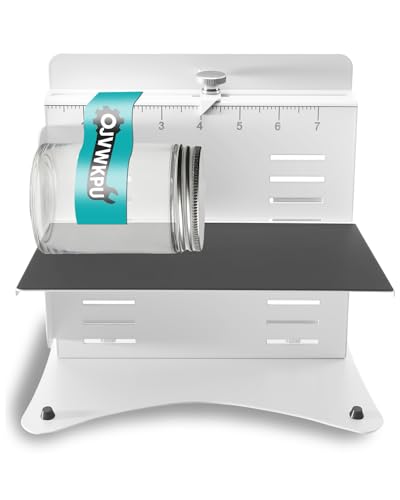
JVWKPU Precision Label Applicator for Jars, Bottles & Candle Vessels, Manual Label Placement Tool for 0.5–5 Inch Containers, Professional Labeling Tool for Small Business & Handmade Products
- Consistent, Straight Labeling: Ensures professional, centered labels every time
- Adjustable for Various Sizes: Fits containers from 0.5 to 5 inches without adapters
- Stable and Precise Construction: Heavy-duty steel with non-slip rubber feet for stability
As an affiliate, we earn on qualifying purchases.
As an affiliate, we earn on qualifying purchases.
Key Questions
What is the main impact of the delayed high-risk AI deadlines?
The delay provides organizations more time to meet complex compliance requirements for high-risk AI systems, reducing immediate operational pressure while regulators retain enforcement capabilities through transparency rules.
Are transparency obligations still enforced from August 2, 2026?
Yes. Transparency obligations, including AI interaction disclosures, synthetic content marking, and deepfake labeling, remain fully effective from August 2, 2026, with enforcement managed by national authorities.
Does the delay affect all AI systems equally?
No. The high-risk obligations under Annex III are postponed, but transparency and certain enforcement provisions apply immediately. Legacy systems have a transitional period, but new deployments after August 2, 2026, must comply promptly.
What new restrictions have been added to the AI Act?
An outright ban on non-consensual AI-generated intimate imagery has been introduced, taking effect on the original enforcement timeline, reinforcing protections against harmful AI uses.
Source: ThorstenMeyerAI.com