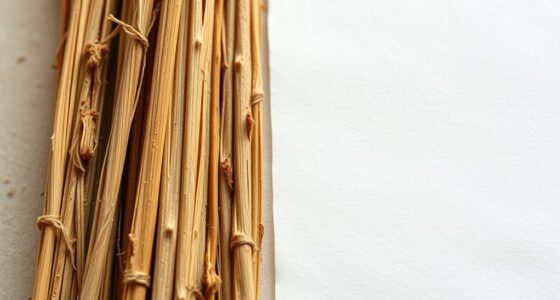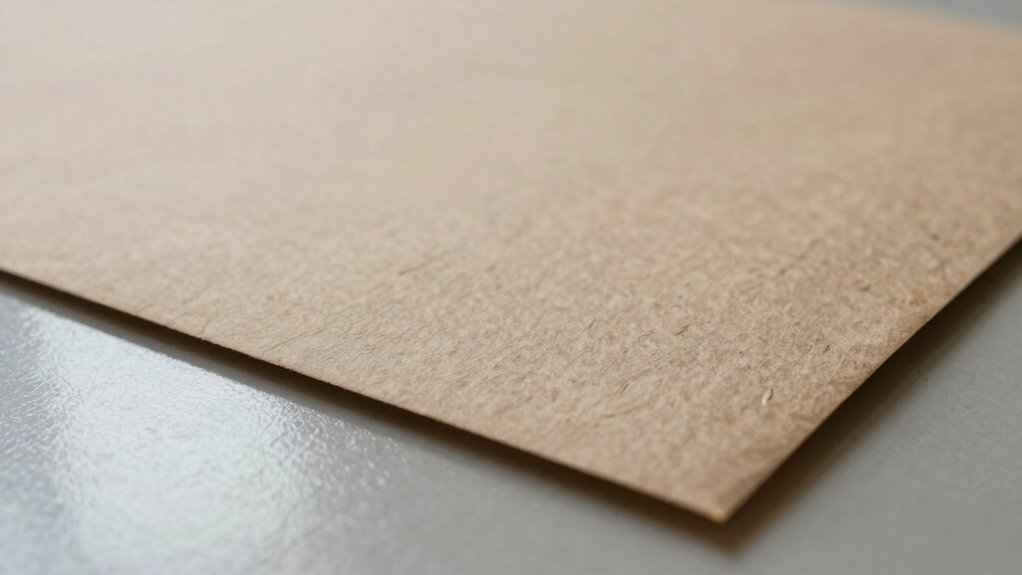

Uncoated stocks shine for certain print projects because they offer a natural, textured finish that enhances tactile appeal and adds an authentic, handcrafted look your audience will notice. They absorb ink softly, resulting in subtle, understated colors that convey elegance. Plus, they are eco-friendly, cost-effective, and versatile enough for stationery, business cards, or marketing materials. These qualities make uncoated stocks a smart choice when you want a genuine, sophisticated feel—discover what else makes them stand out.

Get business pricing on monitors, keyboards and dev gear
- Business-only prices and quantity discounts
- Tax-exempt purchasing
- Multiple users, one account, clear invoices
Key Takeaways
- Uncoated stocks offer a natural, textured finish that enhances tactile appeal and authenticity in print projects.
- They support eco-friendly practices by being made from renewable fibers and requiring less processing.
- Cost-effective and efficient to produce, making them ideal for bulk printing and budget-conscious projects.
- Their ability to absorb ink softly creates subtle, understated colors perfect for artistic and sophisticated designs.
- They add a genuine, handcrafted feel that elevates branding and marketing materials with an organic look.

Uncoated stocks are a popular choice for various print projects because of their natural, textured finish that adds a tactile quality to your designs. This surface provides a unique, organic feel that can make your printed materials stand out, especially when you want to evoke authenticity or simplicity. Many designers and businesses prefer uncoated stocks because they give projects a more personal, handcrafted look, which is often difficult to achieve with glossy or coated papers. Their matte surface absorbs ink differently, resulting in softer, more subtle colors and a more understated elegance. This makes uncoated stocks ideal for stationery, business cards, or art prints where texture and a natural appearance are priorities. When considering eco-friendly alternatives, uncoated stocks are often a top choice. They tend to be made from natural fibers and can be sourced from renewable forests, especially when you select options labeled as sustainable or FSC-certified. Choosing uncoated stocks with eco credentials supports environmentally responsible printing practices and reduces your carbon footprint. These stocks also typically require less processing, such as coating or additional finishing, which conserves resources and minimizes chemical use. If sustainability matters to you or your clients, uncoated stocks offer a tangible way to align your print projects with eco-conscious values. Additionally, their popularity is partly due to their ability to be produced using fewer manufacturing steps, making them a more cost-effective option for many projects. Cost comparison plays a significant role when deciding on the right paper for your project. Generally, uncoated stocks are more affordable than coated alternatives because they involve fewer manufacturing steps and less processing. They’re available in a wide range of weights and textures, giving you flexibility without inflating your budget. This makes uncoated papers a smart option for bulk printing or projects with tight budgets. Plus, because they often require less ink and toner to produce the desired visual effect, you might save money on ink costs as well. Despite their simplicity, uncoated stocks deliver a sophisticated result that many other papers can’t match. They’re versatile enough to be used across a variety of print projects, from business stationery to marketing collateral, where the tactile experience enhances your message. Their natural, understated appearance can also lend a sense of authenticity and trustworthiness to your brand. When you consider eco-friendly options and cost-effective choices, uncoated stocks often emerge as the smart, sustainable, and budget-friendly solution for projects that value texture, simplicity, and environmental responsibility.
As an affiliate, we earn on qualifying purchases.
Frequently Asked Questions
How Do Uncoated Stocks Affect Ink Drying Times?
Uncoated stocks typically slow ink drying times because their paper texture and absorption rate cause ink to penetrate more deeply. When you print on uncoated paper, ink absorption increases, making it take longer for the ink to dry completely. This means you need to handle the printed materials carefully and allow extra drying time, especially if your project involves detailed or double-sided printing, to prevent smudging or smearing.
Are Uncoated Stocks More Environmentally Friendly Than Coated Options?
Ever wondered if uncoated stocks are greener? They often are, thanks to recyclability benefits that make them easier to reuse and recycle. Plus, their biodegradability advantages mean they break down more naturally, reducing environmental impact. By choosing uncoated paper, you support eco-friendly printing options, minimizing waste and pollution. Don’t overlook these sustainable benefits when selecting paper—your choices can make a positive difference for the planet.
Can Uncoated Stocks Be Used for High-Resolution Images?
Yes, you can use uncoated stocks for high-resolution images. They offer a unique textural appeal that adds depth and character to your print pieces. While uncoated stocks may not deliver the same color vibrancy as coated options, they still produce sharp, detailed images with a natural, matte finish. This makes them ideal for projects where texture and a sophisticated look are more important than ultra-bright colors.
What Are the Cost Differences Between Coated and Uncoated Stocks?
You’ll find that uncoated stocks are generally more cost-effective than coated options due to their simpler paper texture and lower production costs. Coated papers often cost more because of their glossy or matte finishes, which enhance print durability and image sharpness. If your project prioritizes affordability and a natural feel, uncoated stocks save you money while still delivering good quality, especially for text-heavy or casual print materials.
How Do Uncoated Stocks Perform in Outdoor or Weather-Exposed Conditions?
Uncoated stocks typically aren’t the best choice for outdoor or weather-exposed conditions, as they lack significant weather resistance. You’ll find that coated papers generally offer better durability, resisting moisture and fading more effectively. For projects exposed to the elements, durability concerns mean choosing coated stocks guarantees your print materials stay vibrant and intact longer, making them a smarter choice for outdoor signage, menus, or flyers subject to weather fluctuations.
As an affiliate, we earn on qualifying purchases.
Conclusion
So, next time you’re choosing paper, remember that uncoated stocks aren’t just plain—they’re the blank canvas for your creativity, the rough edge that makes your project feel real. While glossy finishes shimmer like polished glass, uncoated papers invite touch and thought, like a well-loved book’s worn cover. In a world of shiny distractions, uncoated stocks stand firm, offering authenticity and character that no gloss can match—proof that sometimes, simplicity truly wins.
As an affiliate, we earn on qualifying purchases.
As an affiliate, we earn on qualifying purchases.
Fall Picks
fall essentials
As an affiliate, we earn on qualifying purchases.